

Riva1920: solid wood designer furniture, Made in Italy
Founded in 1920 in Cantù, at the heart of the Brianza furniture district, Riva1920 began as an artisan workshop established by Nino Romano. With the arrival of the third generation in the 1990s, the company accelerated its focus on innovation and design, establishing itself as a benchmark for Made in Italy solid wood furniture. Today, the Italian brand is led by Maurizio Riva together with his daughters Monica and Elena, the fourth generation of a tradition that brings together craftsmanship, sustainability, and contemporary design.
Riva1920: tradition and innovation in solid wood

With over a century of history, Riva1920 combines artisanal tradition and technological innovation in the craftsmanship of solid wood, creating Made in Italy furniture that is robust, functional, and timeless. The choice of premium raw materials, certified woods, and reclaimed materials is integrated into a sustainability-driven production model, based on natural finishes, responsible processes, and an obsessive attention to detail that defines the brand’s identity.
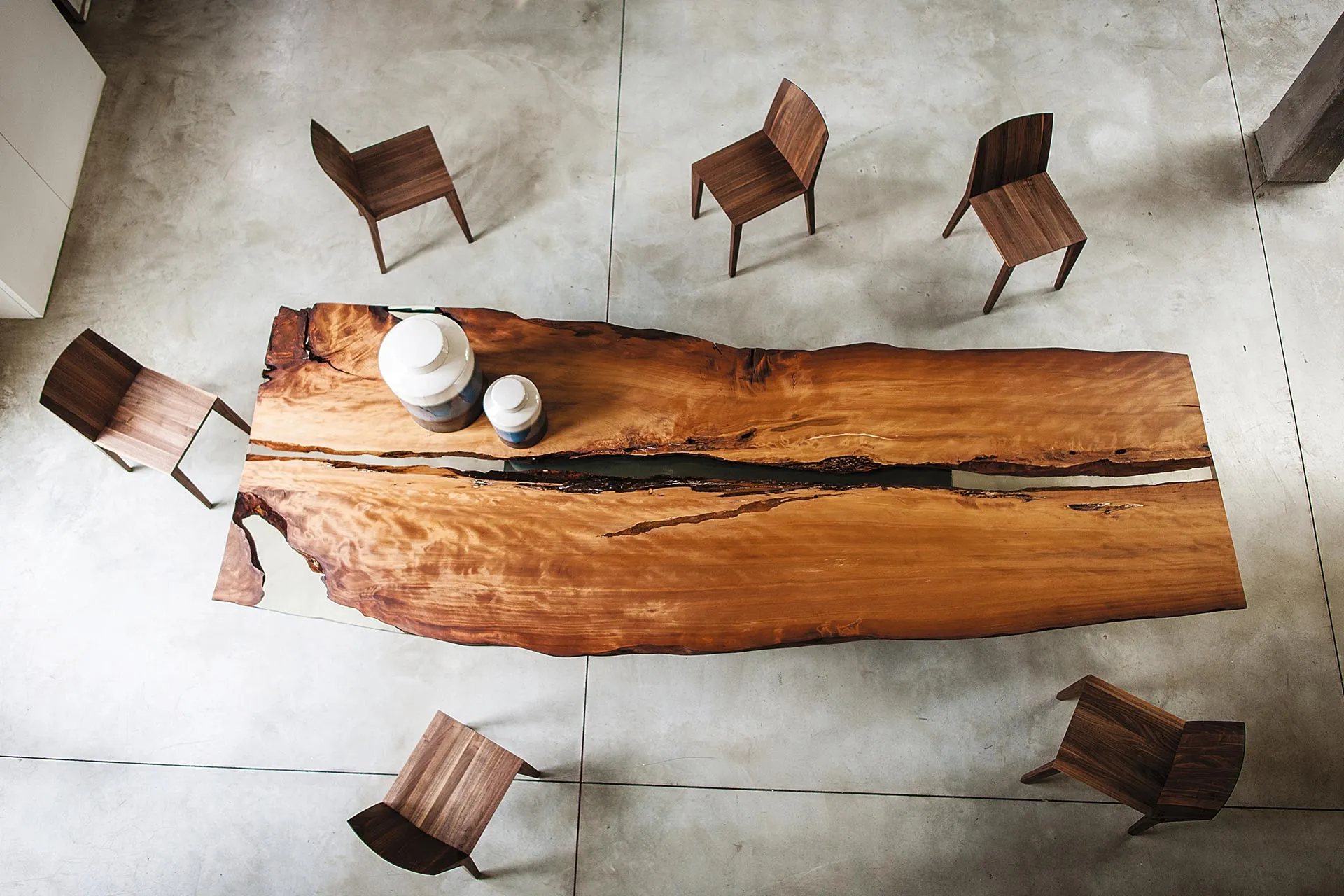


”The hands of our master craftsmen are our finest tools.”
Maurizio Riva, CEO and President of Riva1920
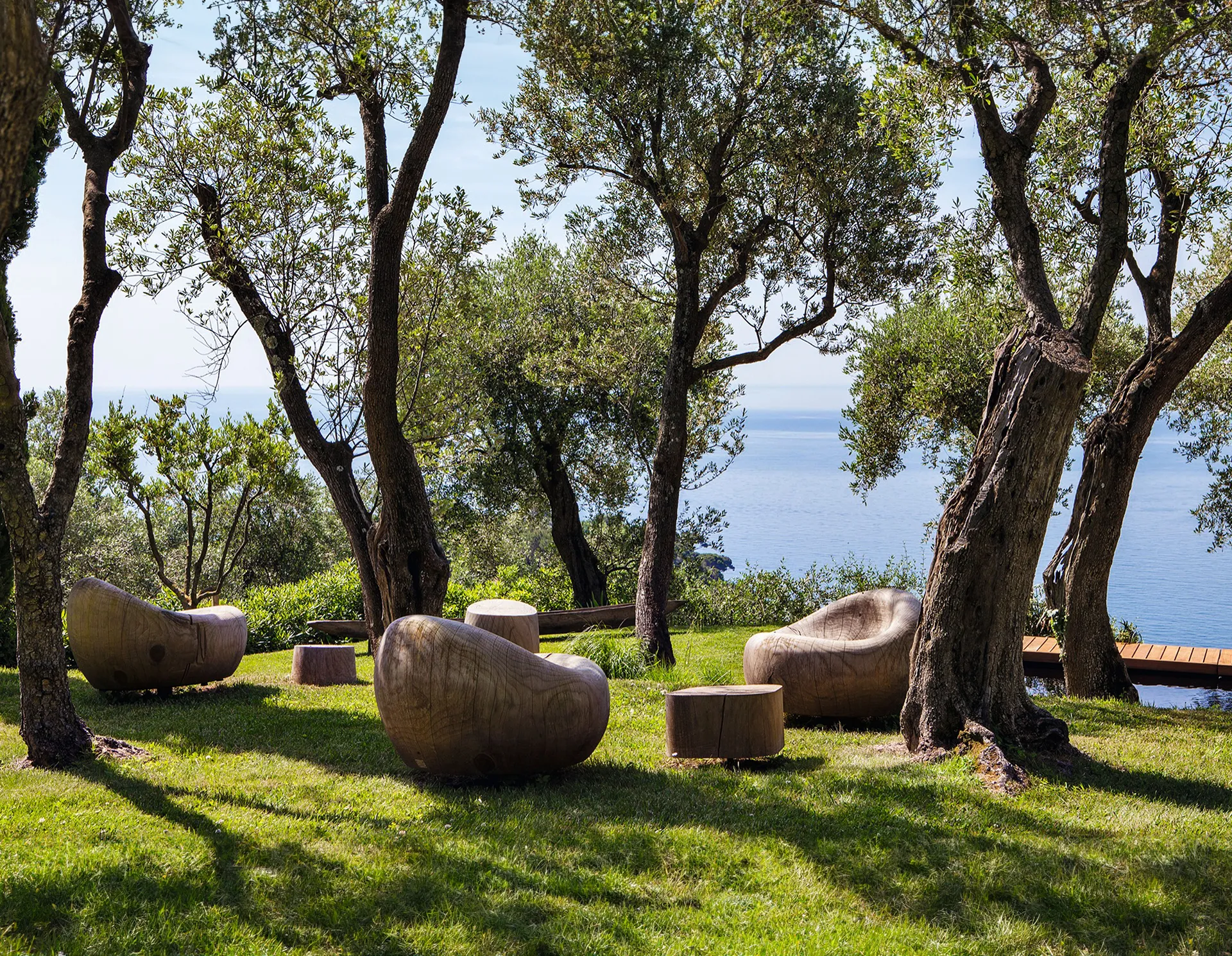
Materials: traditional and premium woods for high-quality furniture
Riva1920 expresses a vision of contemporary design that integrates craftsmanship and design with a concrete approach to sustainability, made possible through the use of solid wood, a material that ensures durability, structural stability, and the ability to be restored over time.
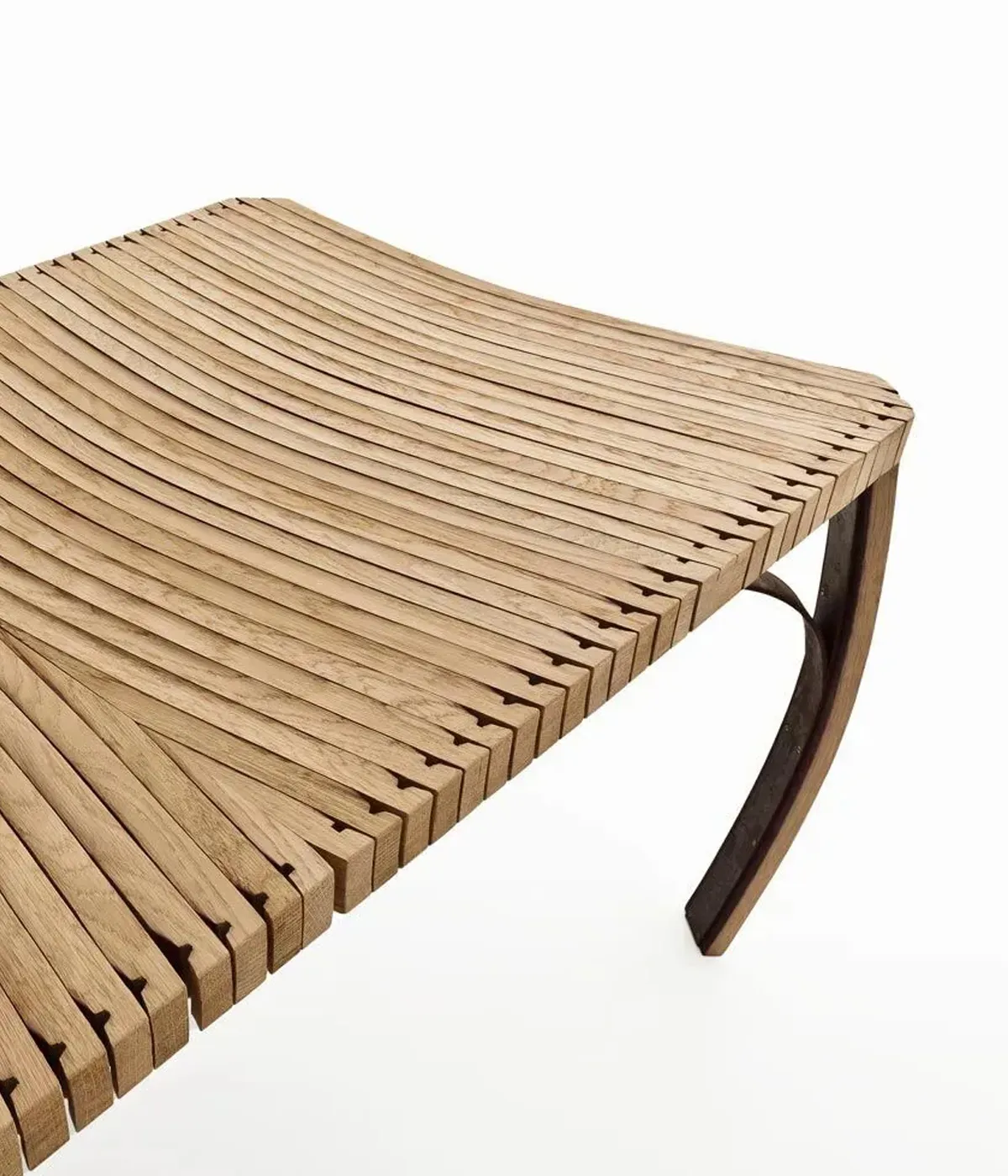
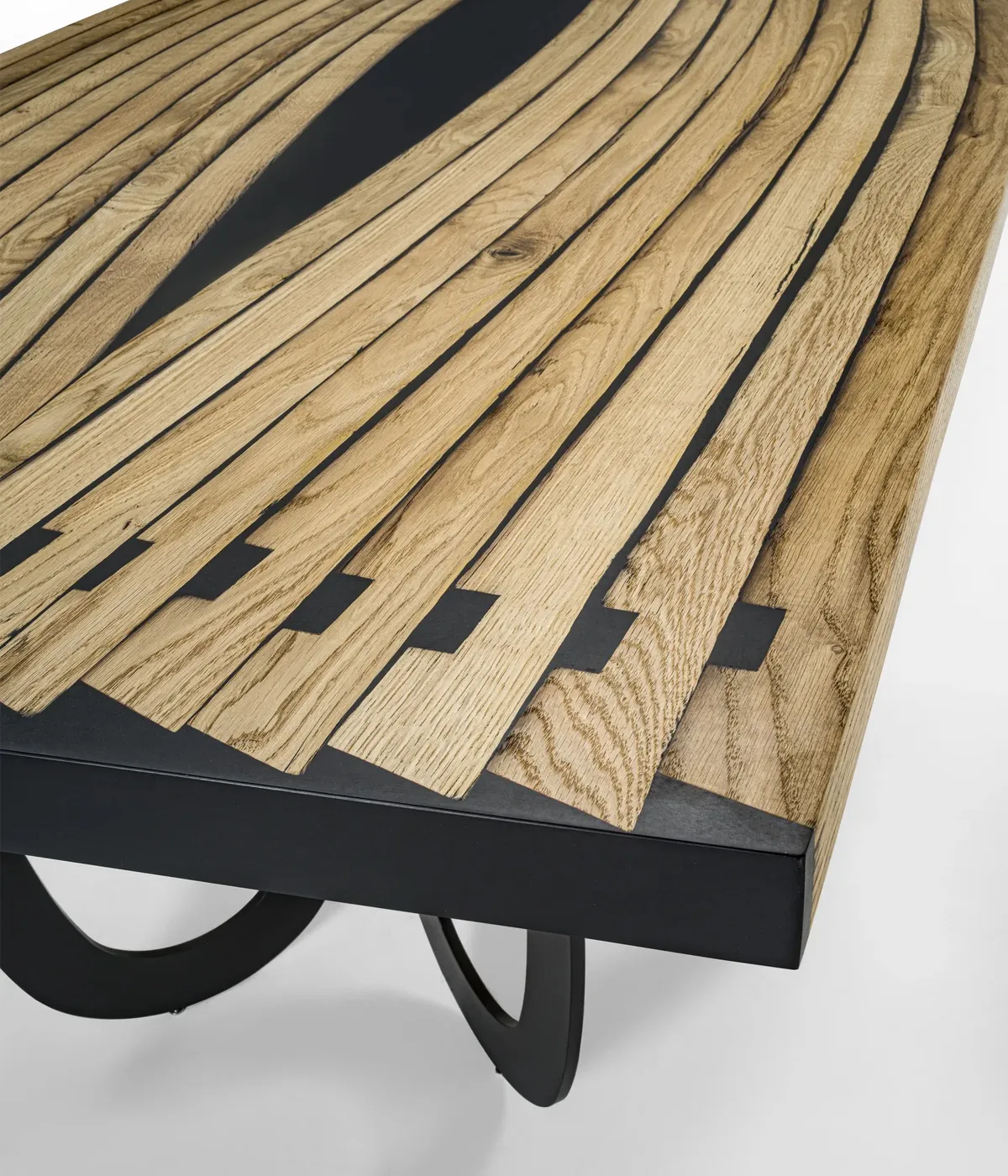
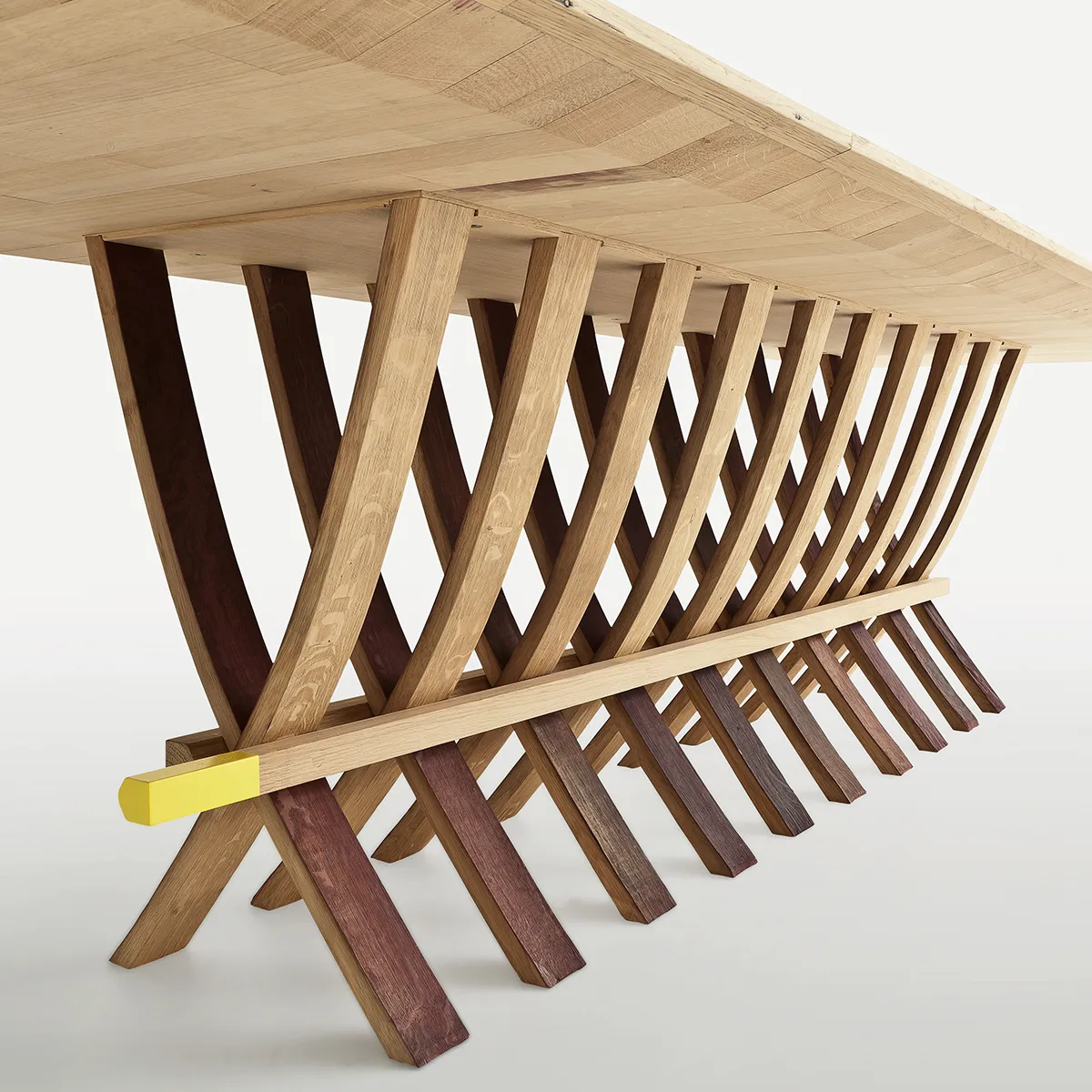
The company creates designer wooden furniture from responsible sources, combining construction quality and design in an offering with no compromises on quality standards. Traditional woods such as walnut, oak, and cherry, sourced from responsibly managed and replanted forests, represent the most versatile range, designed for a broad audience. Alongside these, ongoing material research includes special reclaimed and reused woods: millennia-old Kauri from New Zealand, Venetian Briccole, fragrant Lebanese cedar, and Barrique wood, (the staves of wine barrels). These are paired with low-impact technical solutions, natural finishes, and vinyl adhesives. Each material reflects an approach in which tradition, innovation, and environmental responsibility converge.

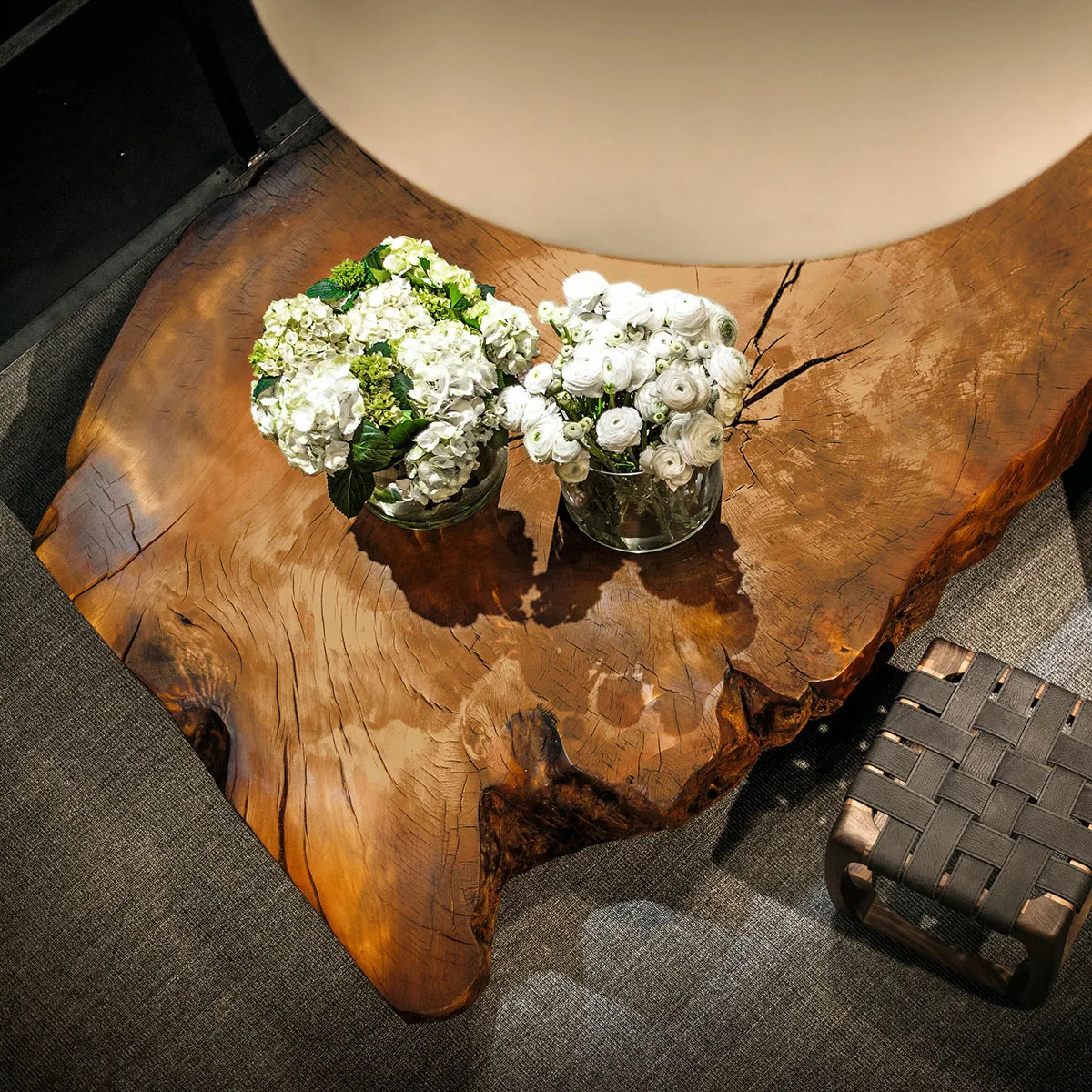
Millennia-old Kauri, the oldest wood in the world, is a symbolic tree of New Zealand, brought down by natural events around 50,000 years ago and preserved intact underground. Today, its stabilized ancient logs, of extraordinary size, become a unique raw material transformed into wooden sculptures and exclusive, one-of-a-kind pieces, rich in natural and cultural value.
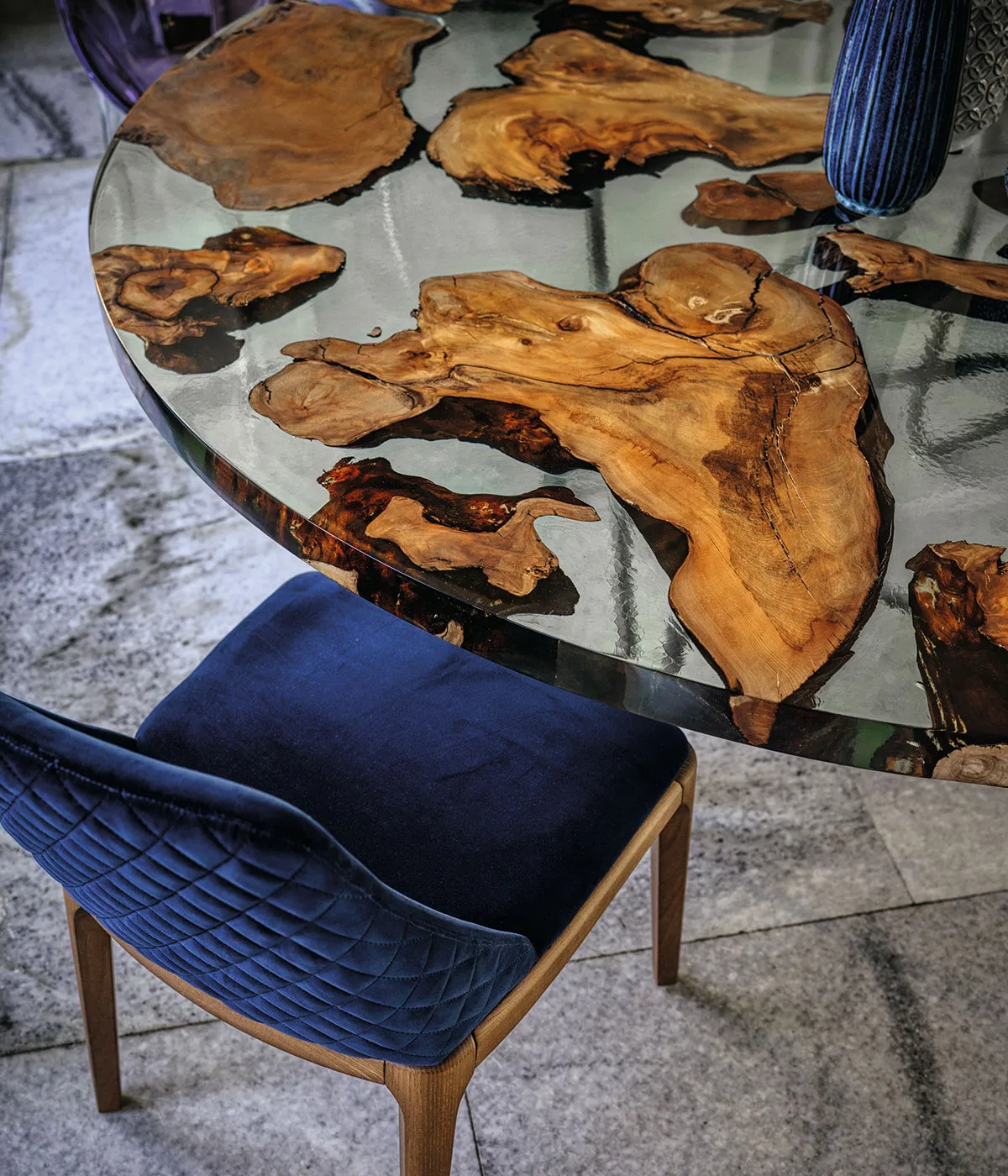
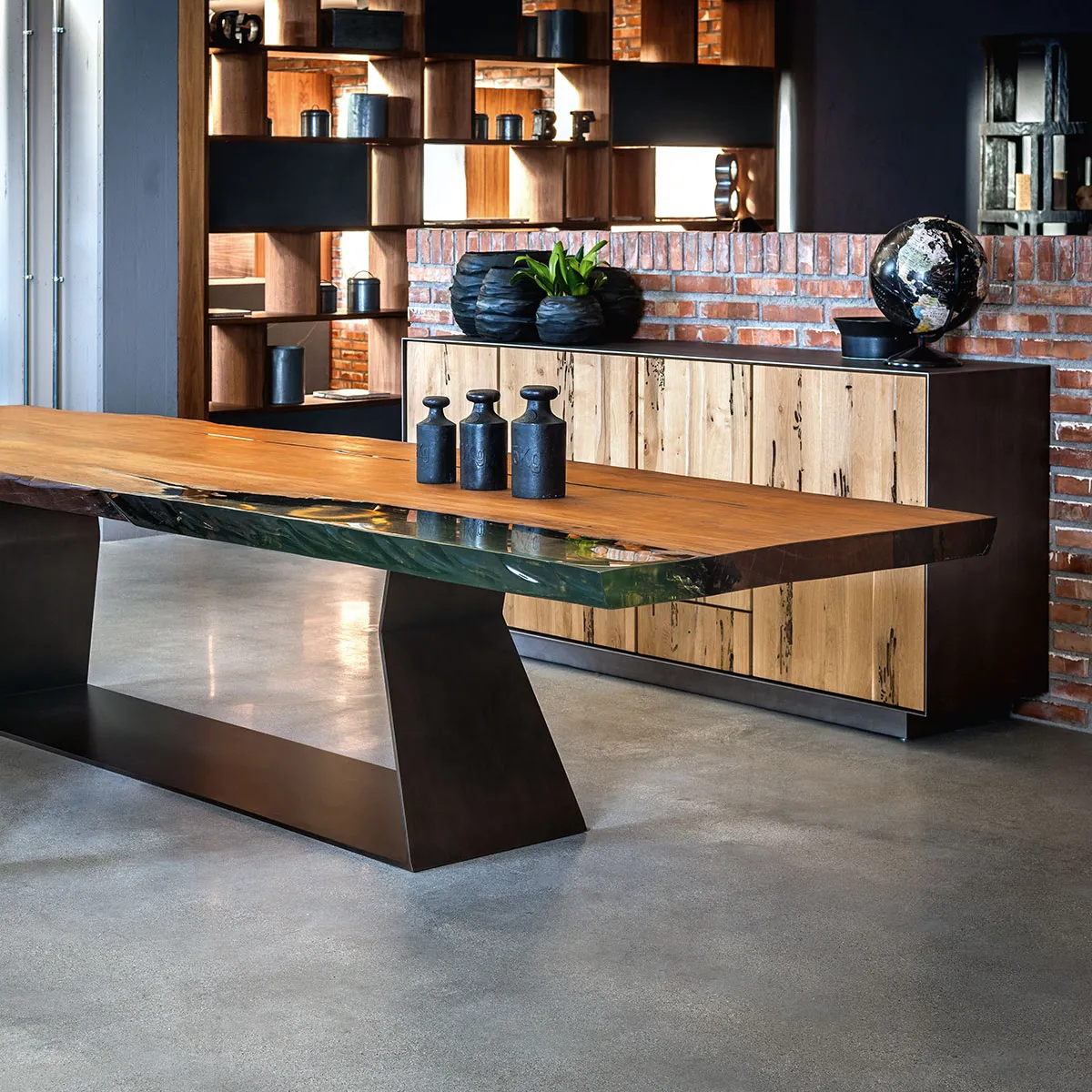
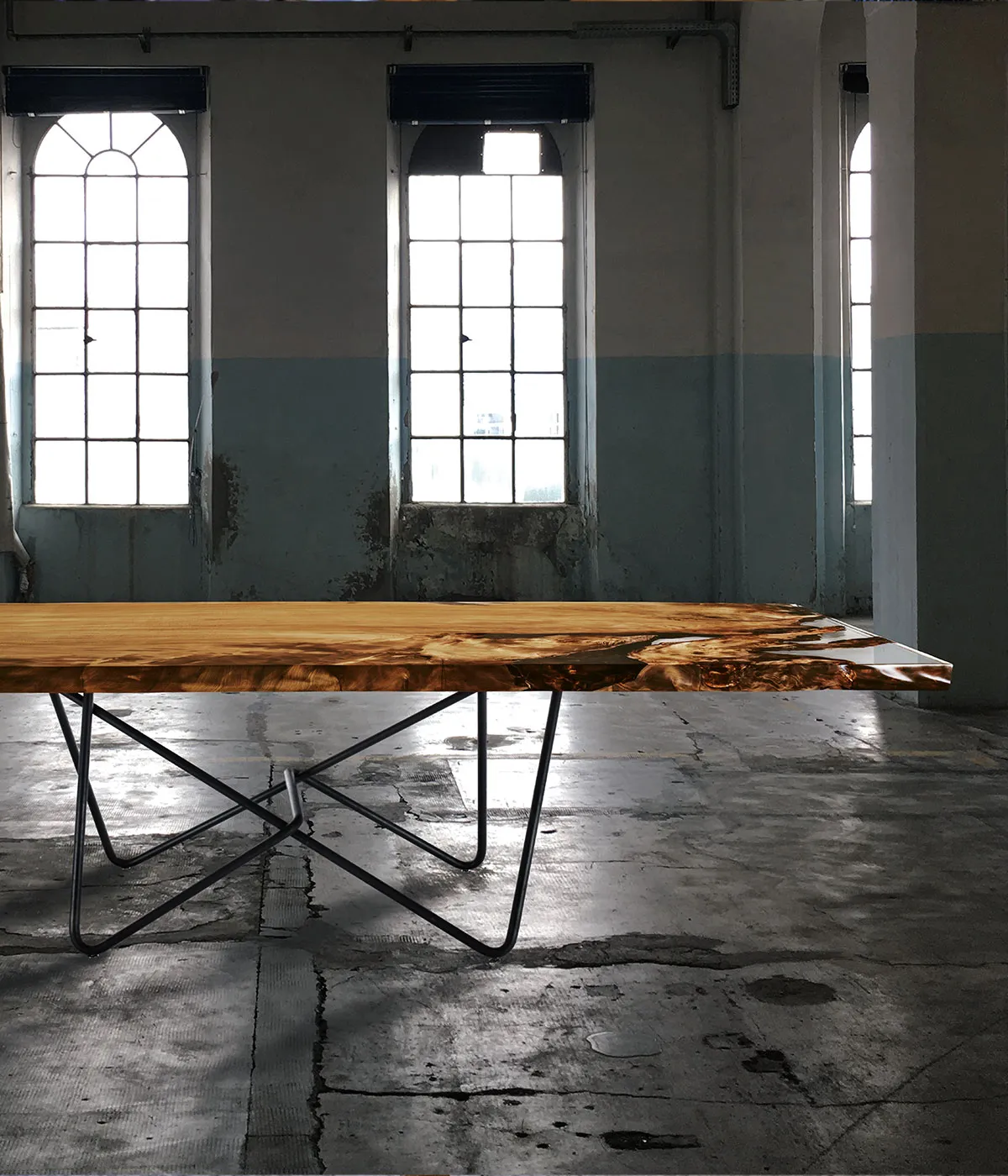
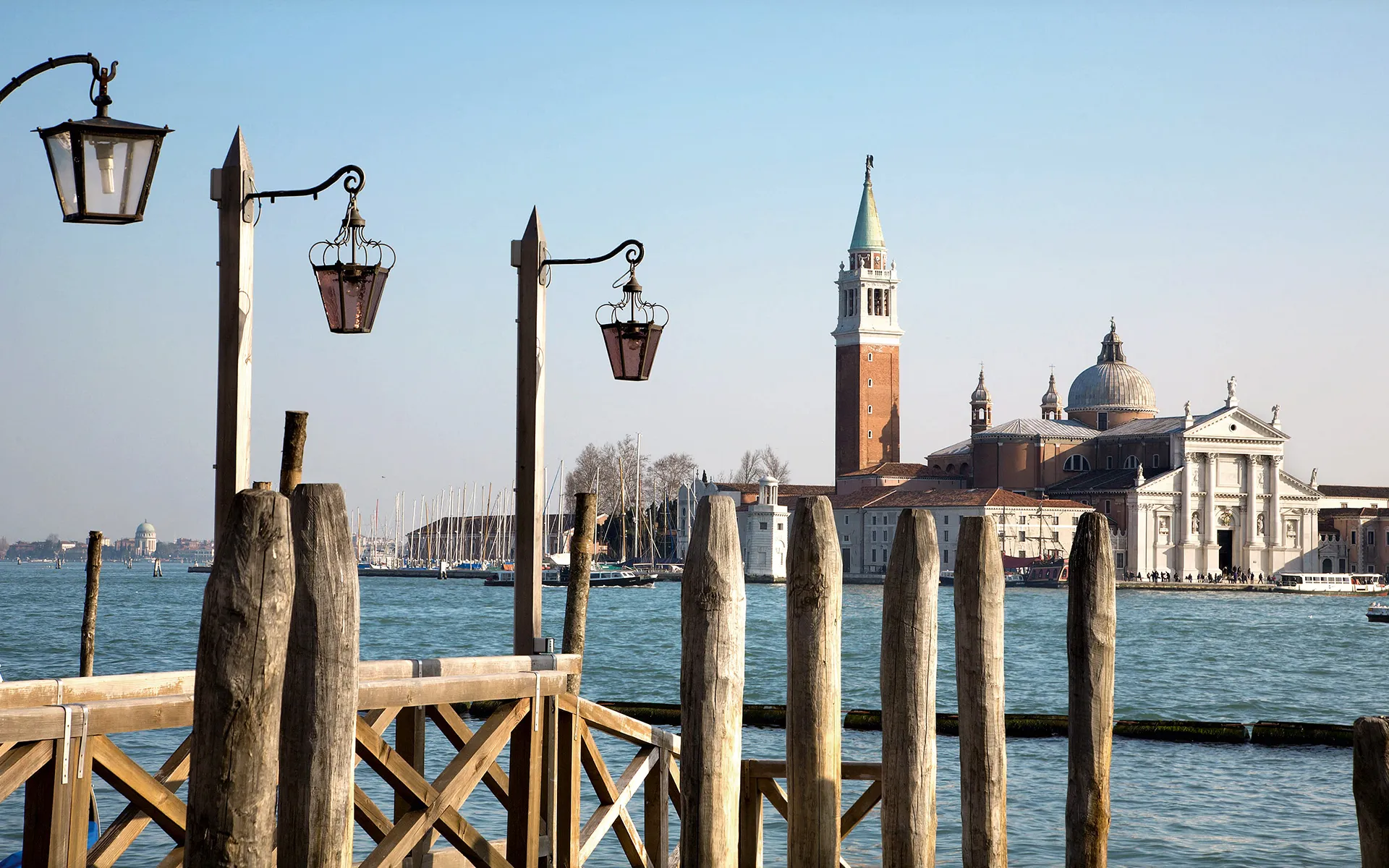
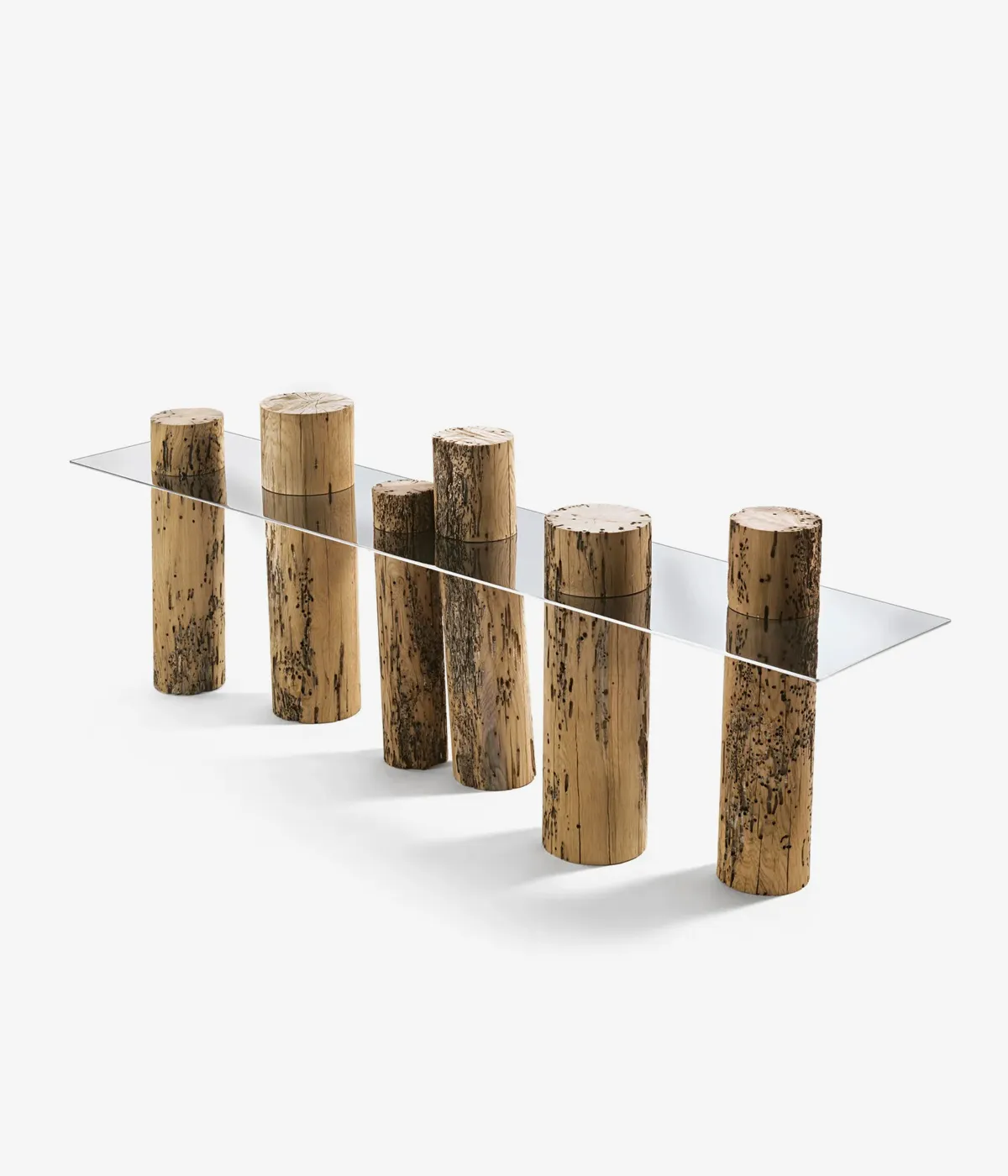
Riva1920 enhances the value of the Briccole, historic oak poles used in the Venice lagoon and replaced due to natural wear. Marked by the action of teredinids, smallmollusks that create irregular textures, each element becomes one of a kind.
Through material recovery, the brand transforms these reclaimed poles into unique pieces of furniture that express respect for the environment, Venetian heritage, and Made in Italy wood culture.
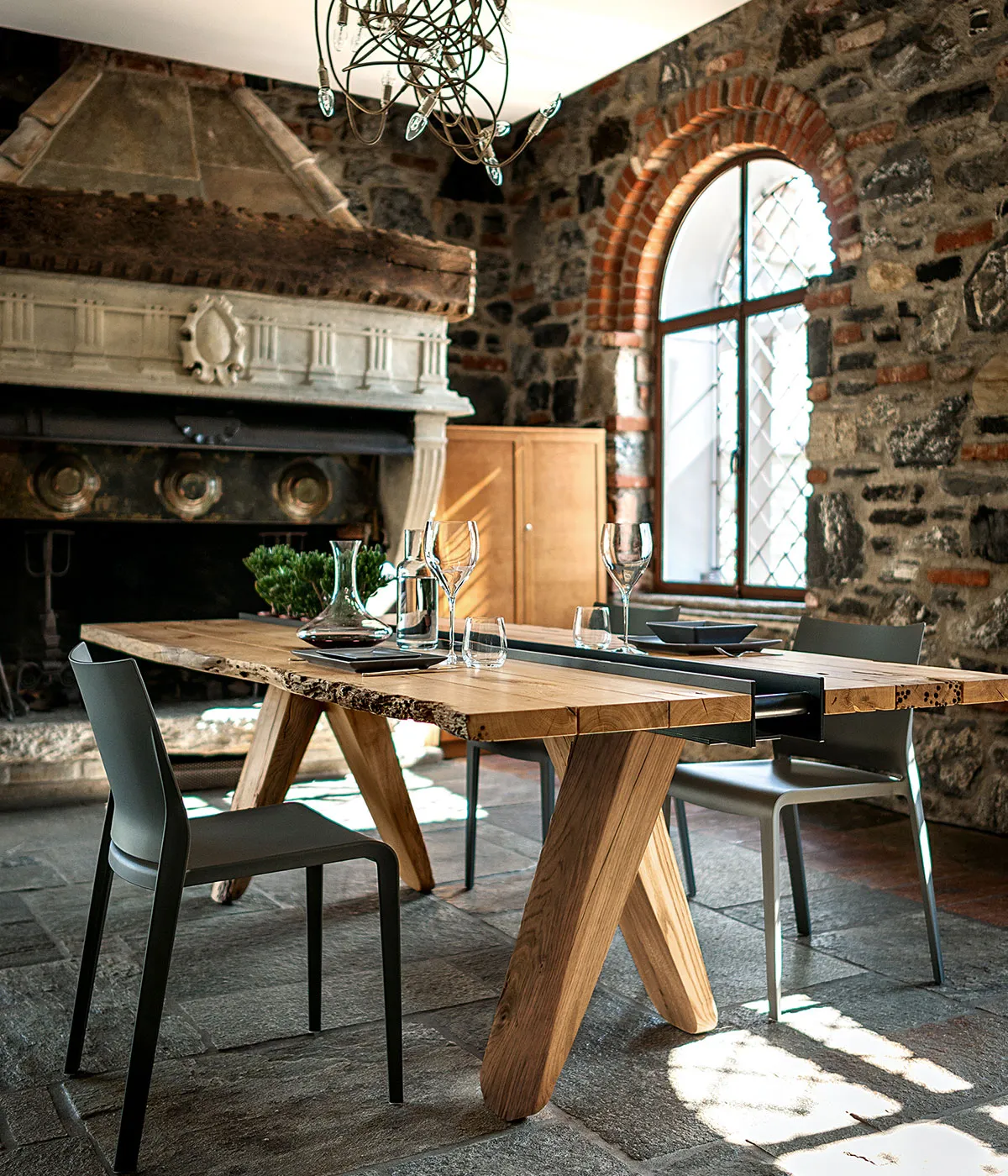
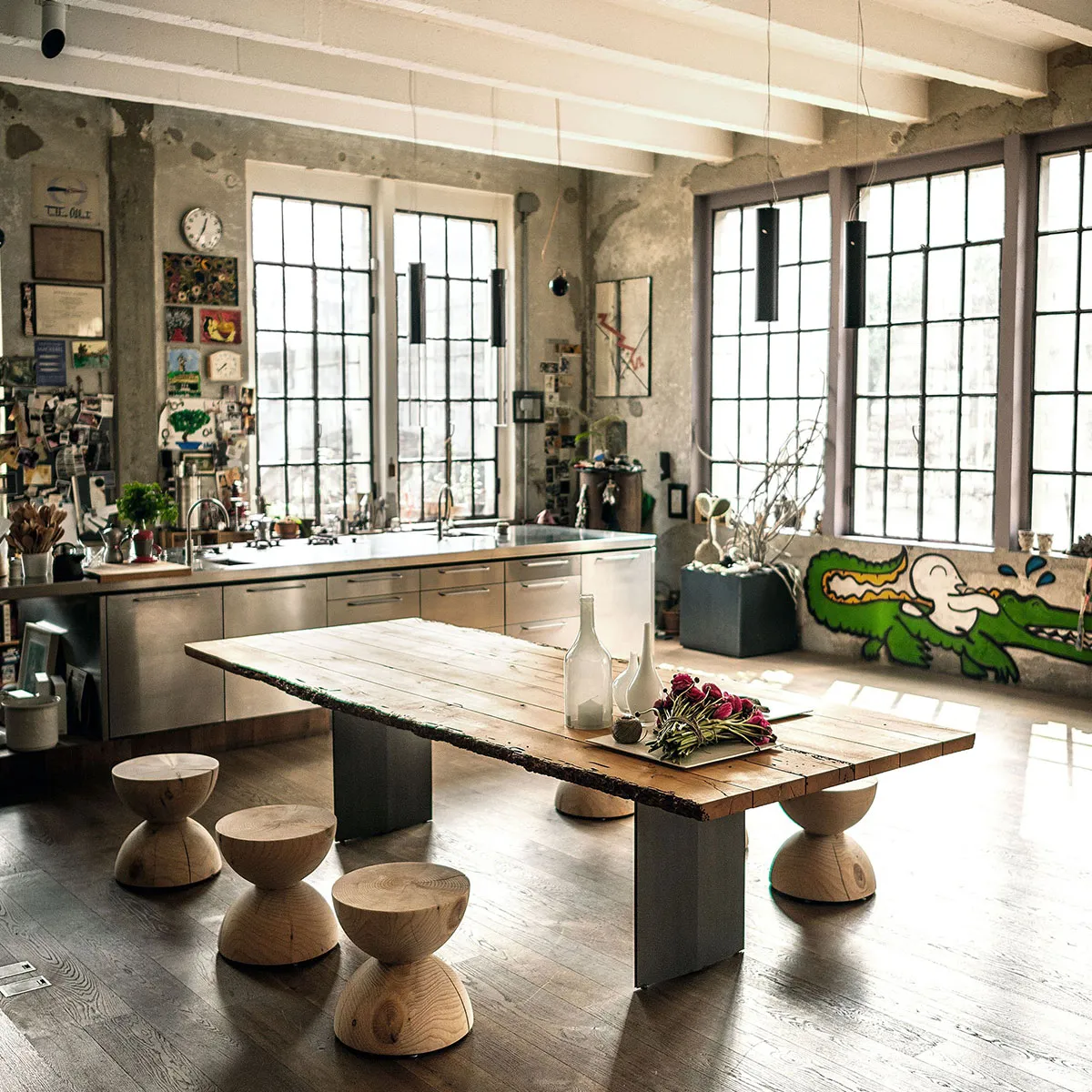
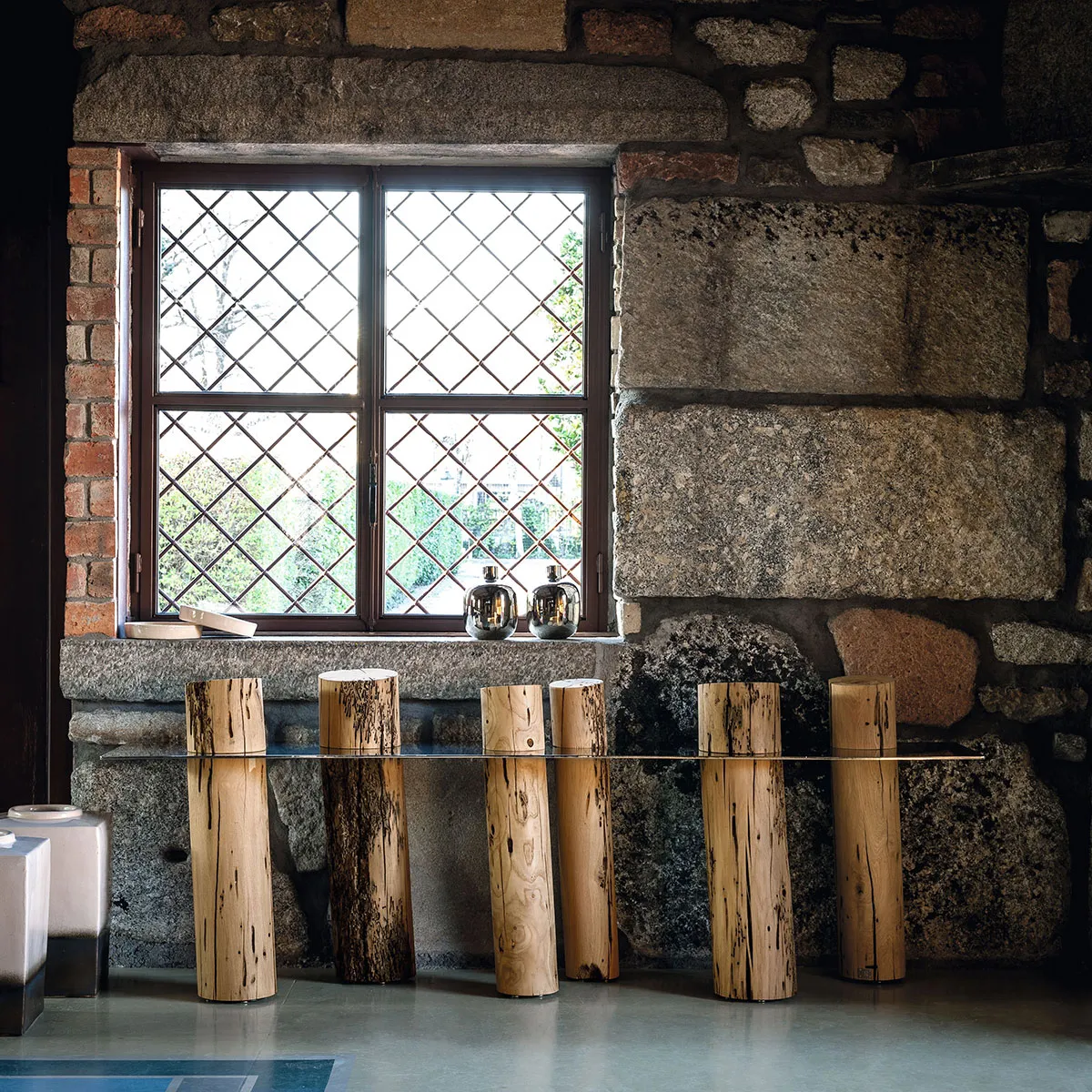
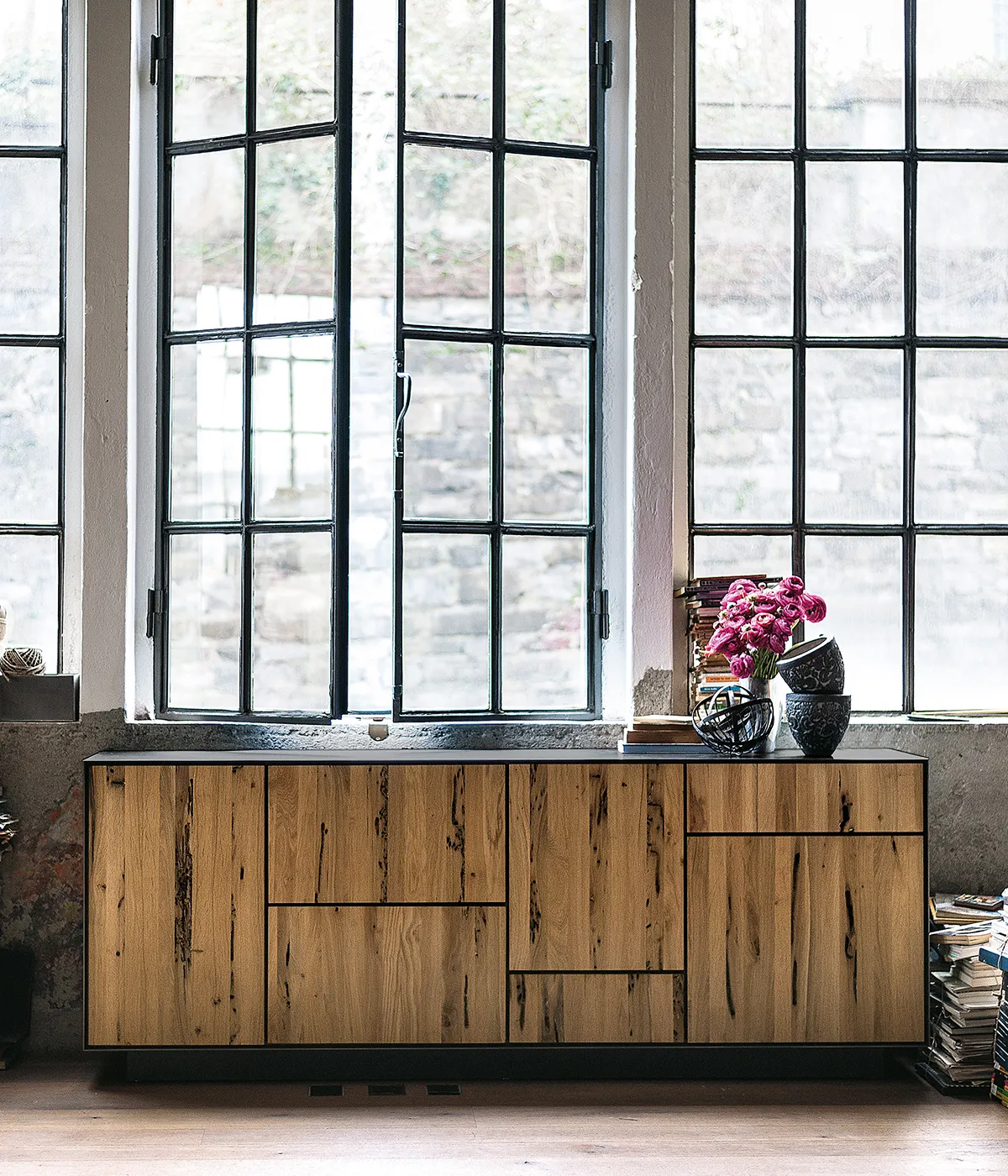

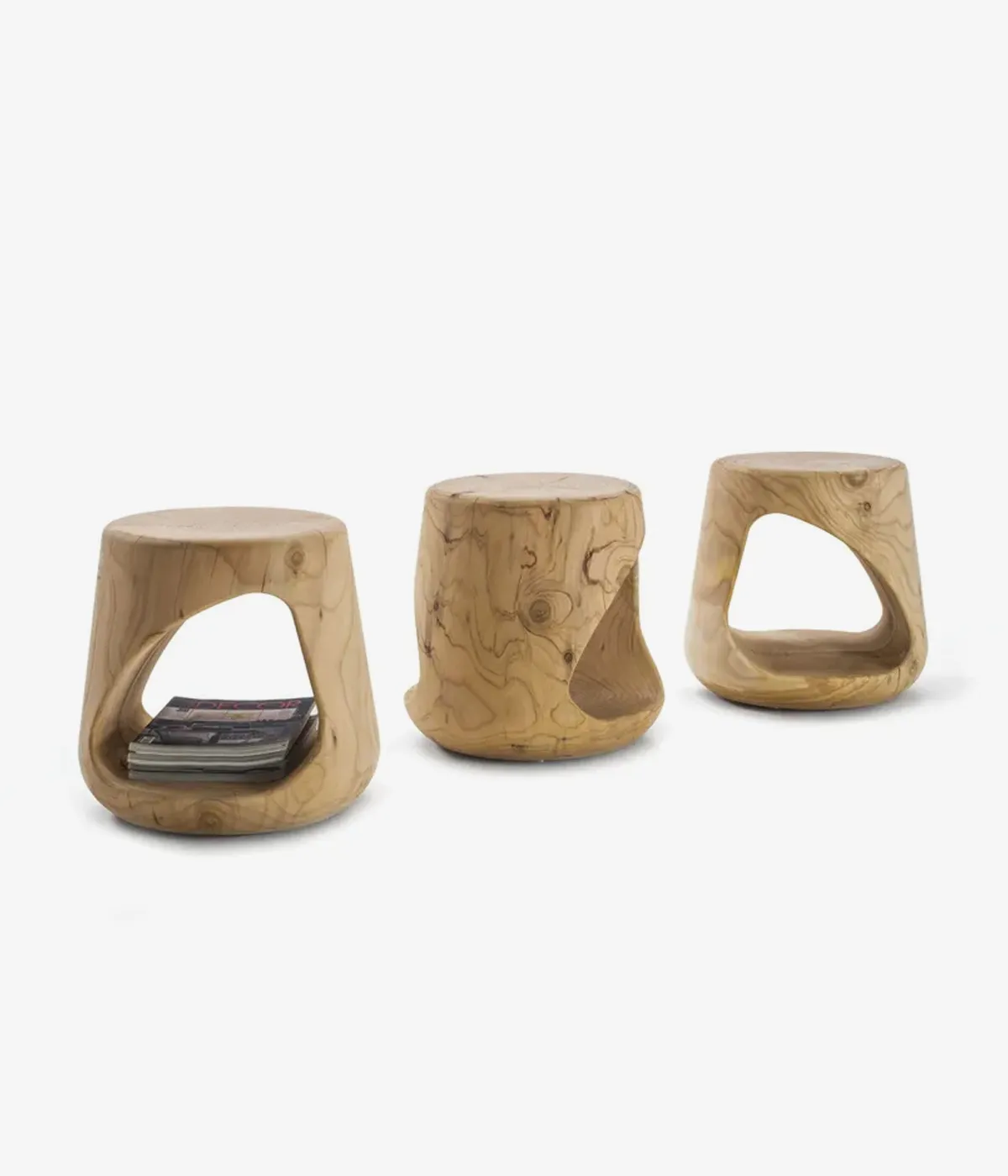
Majestic trunks of fragrant Lebanese cedar, sourced from natural falls or felled as part of municipal safety measures, form the raw material for this craftsmanship. The wood is shaped using 5- and 6-axis CNC machines, advanced technology that transforms the raw trunk into furniture with an intense, unmistakable scent, then sanded and finished by hand.
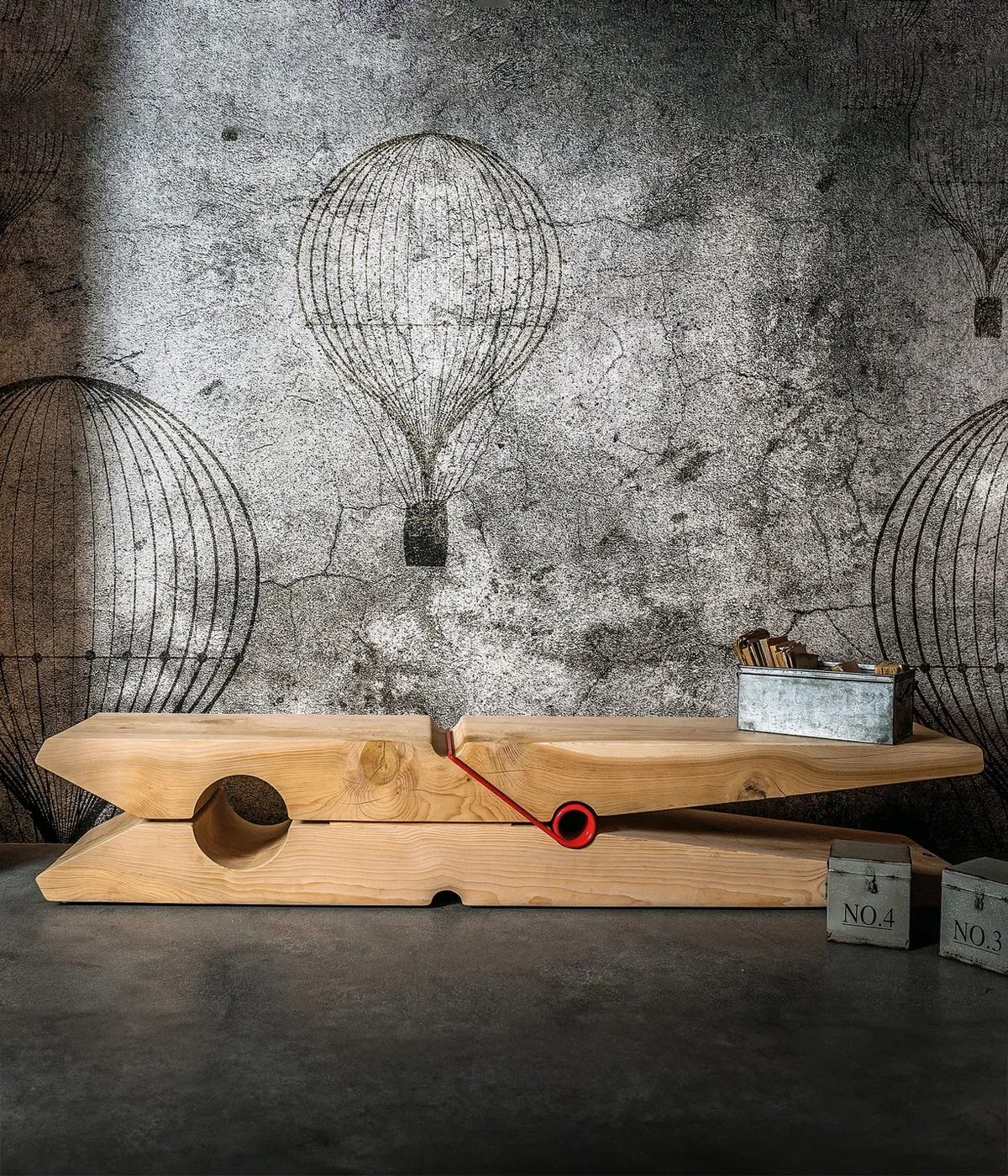
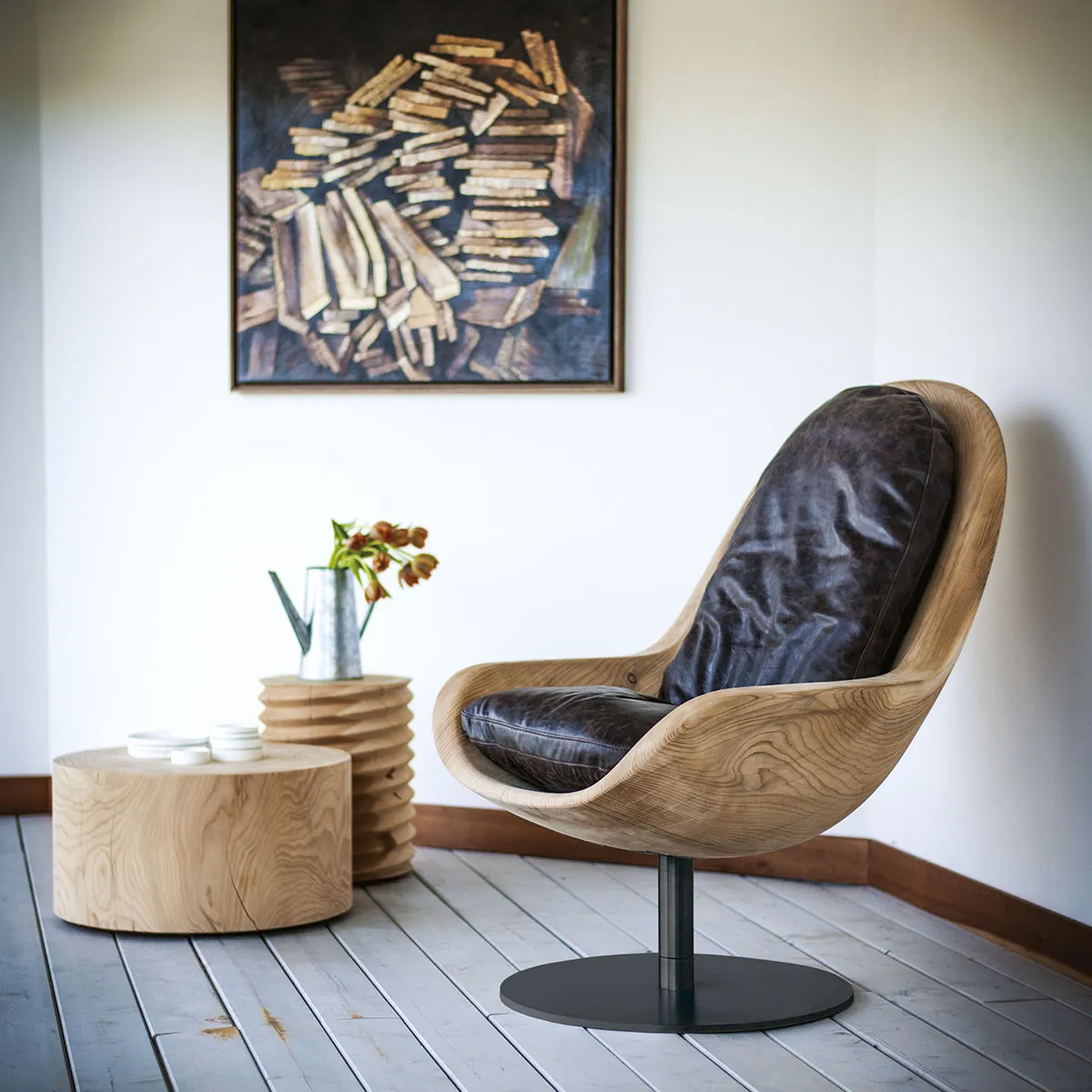
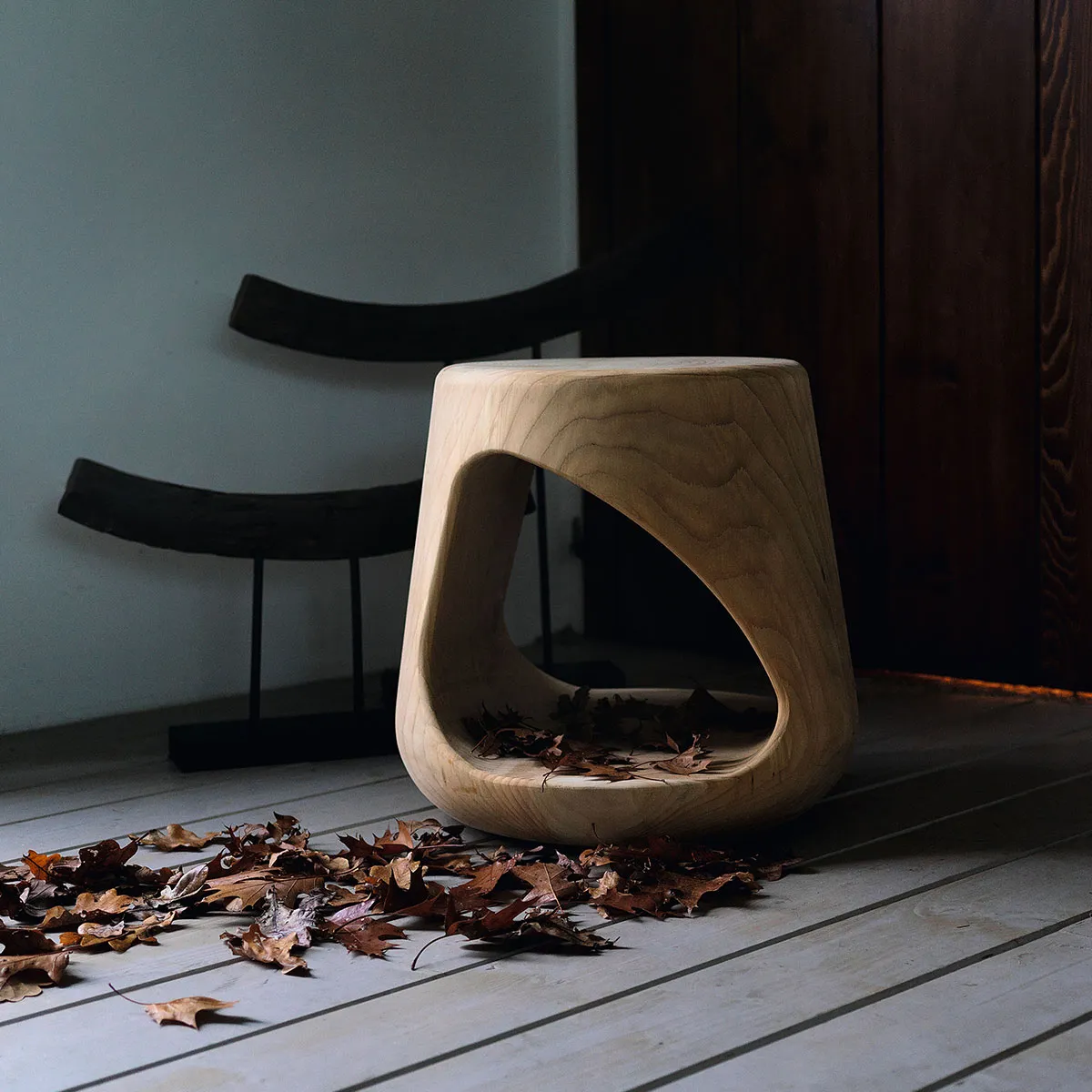
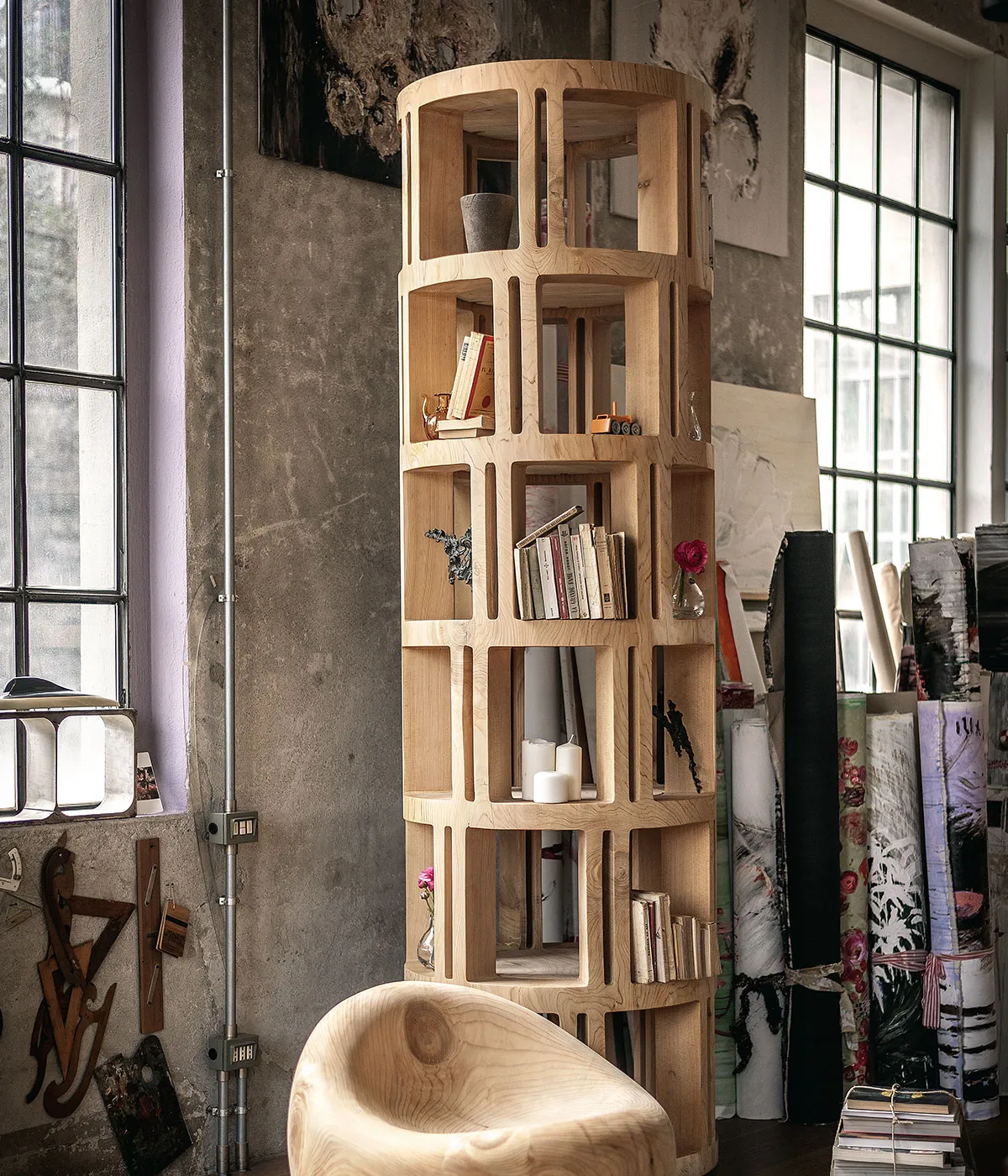

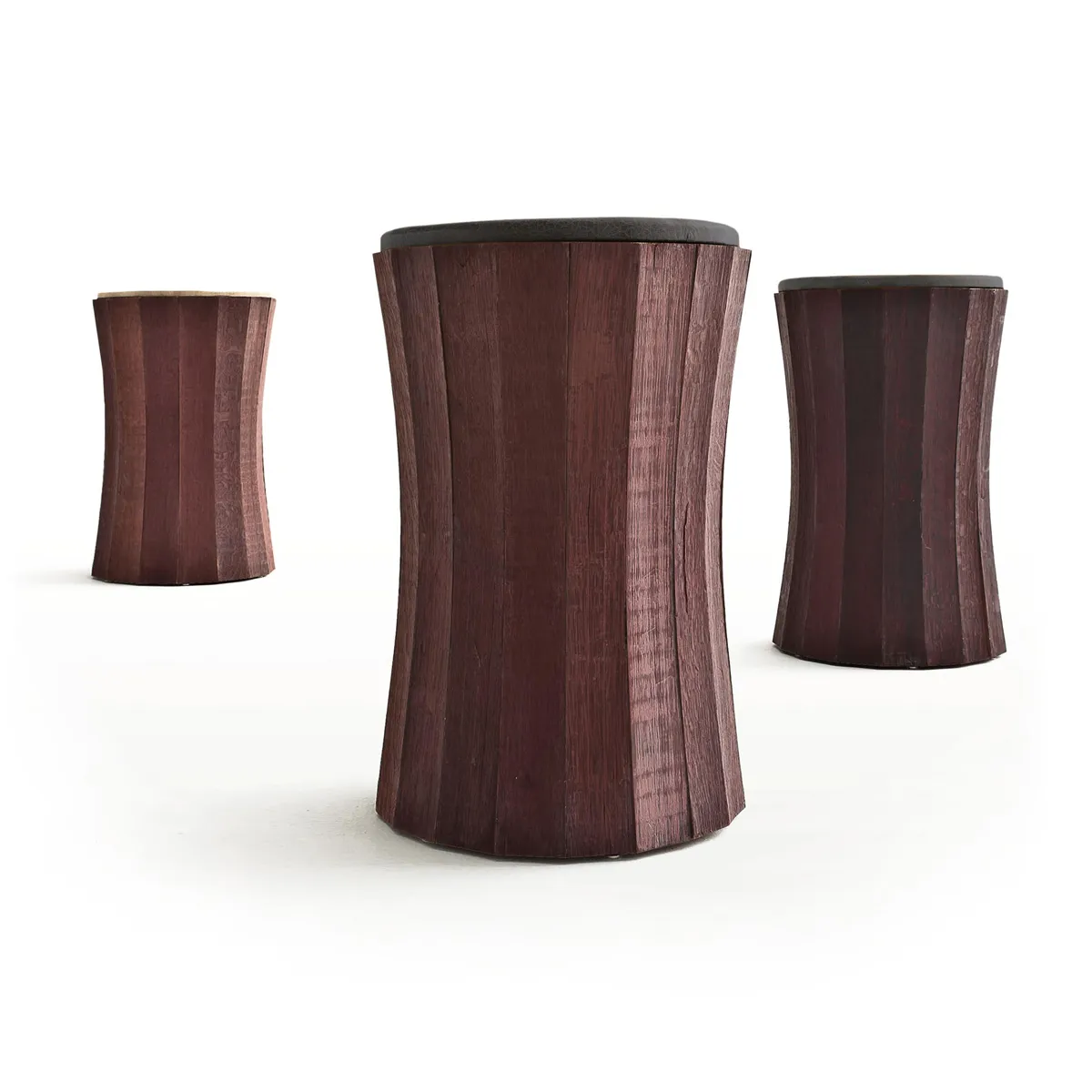
The oak barrels that once accompanied the aging of Italy’s finest wines enter a new phase of their life cycle. Recovered and reworked, barrique wood is transformed into a design raw material, expressing a concrete and responsible approach to circular economy in furniture design.
Signature design and Riva1920 bestsellers: uncompromising excellence
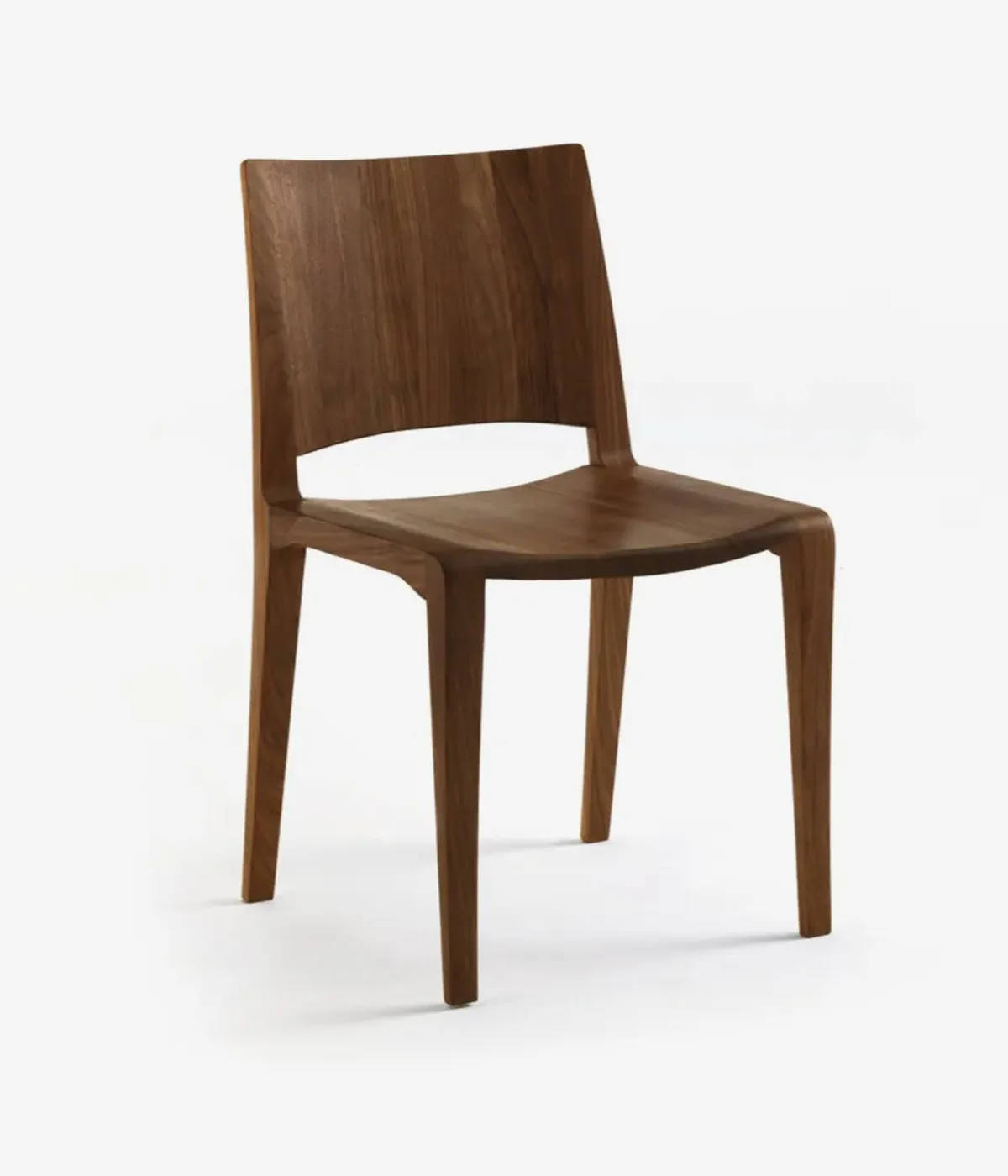
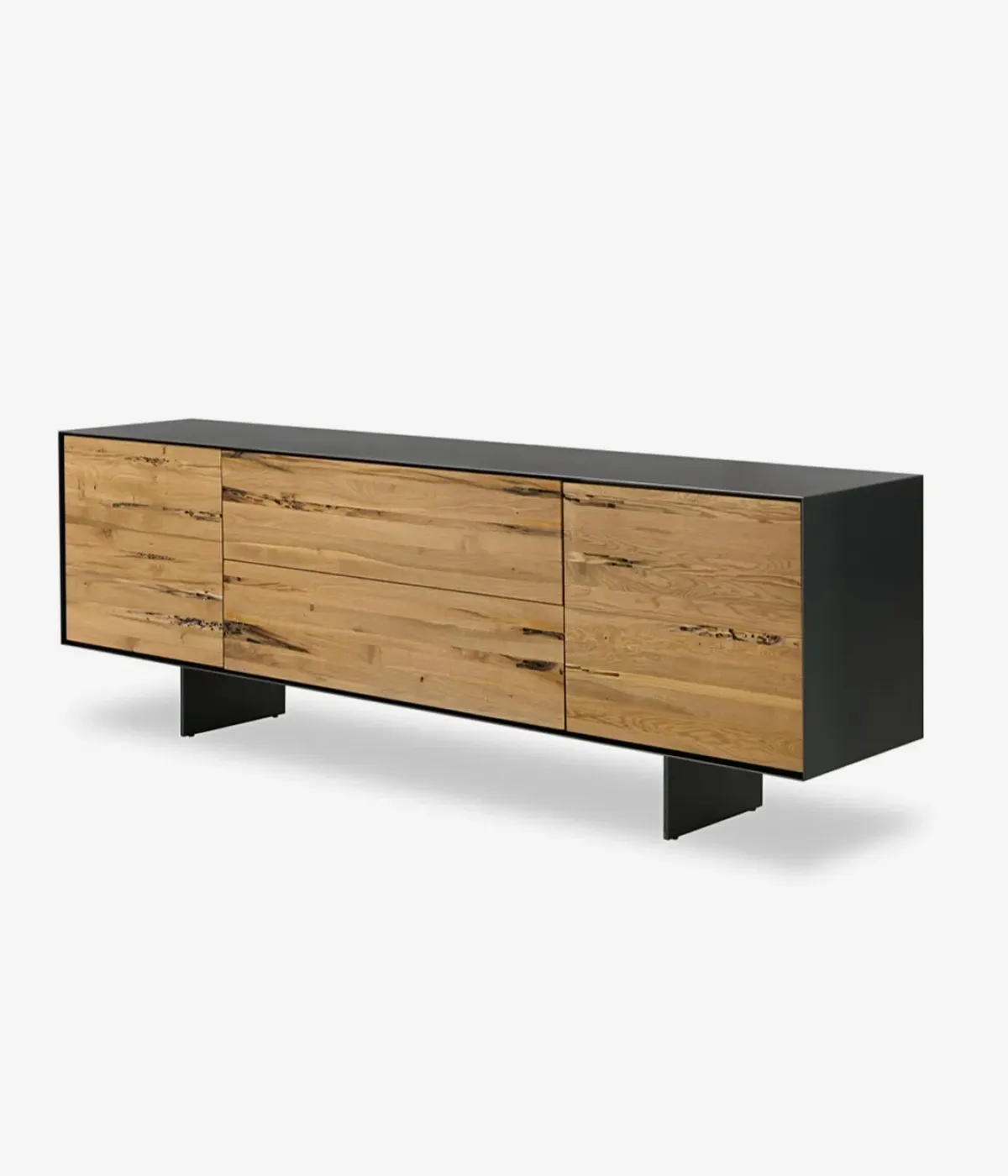
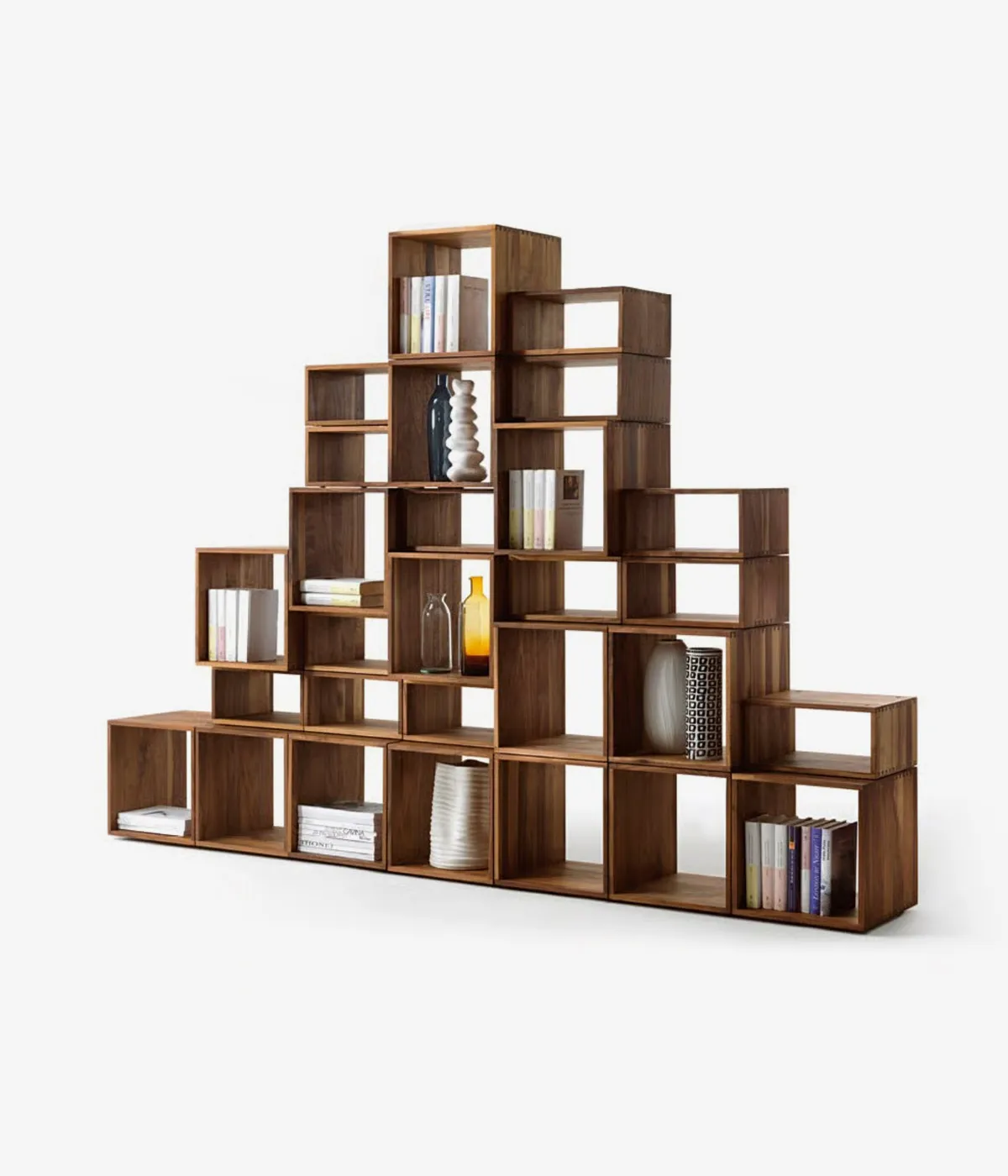
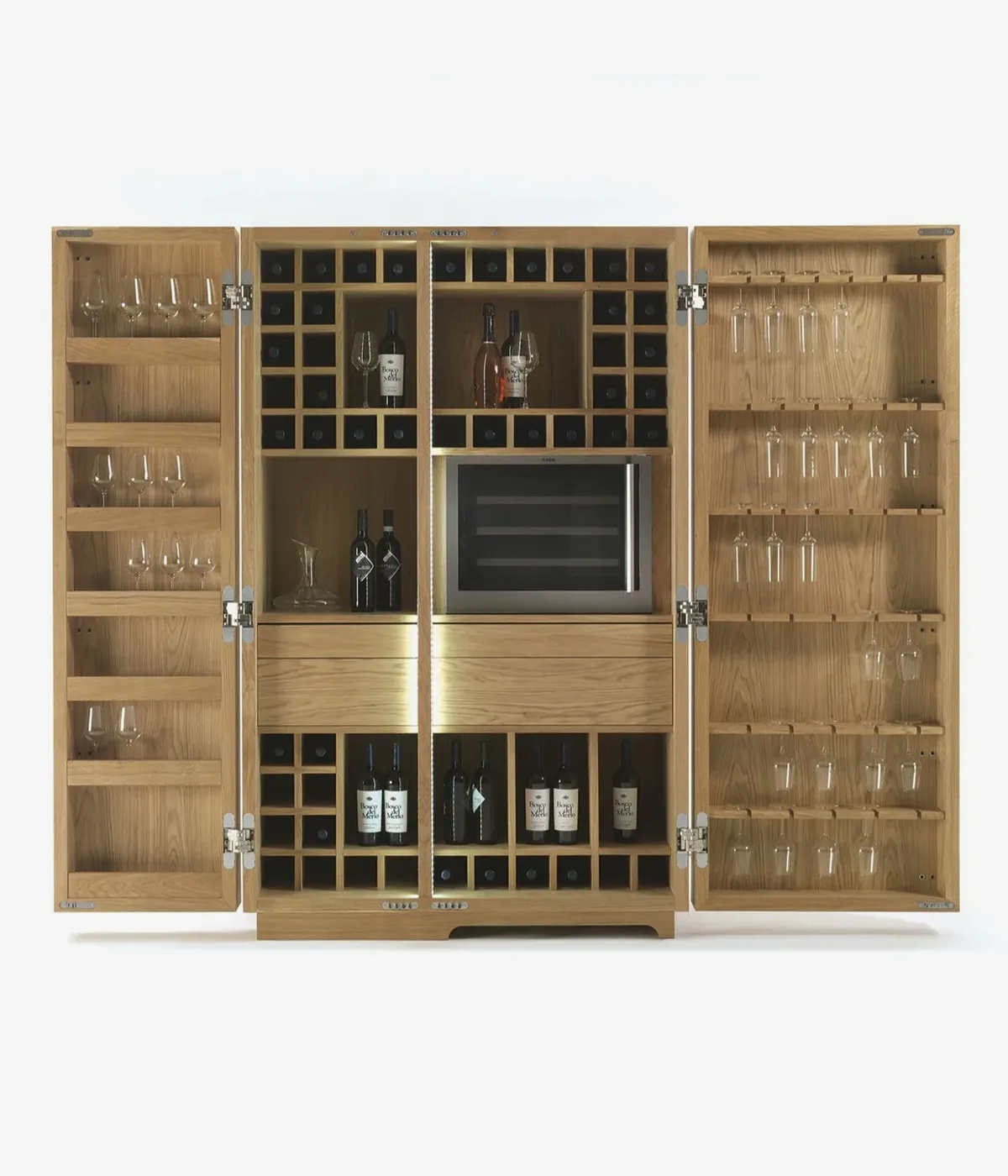
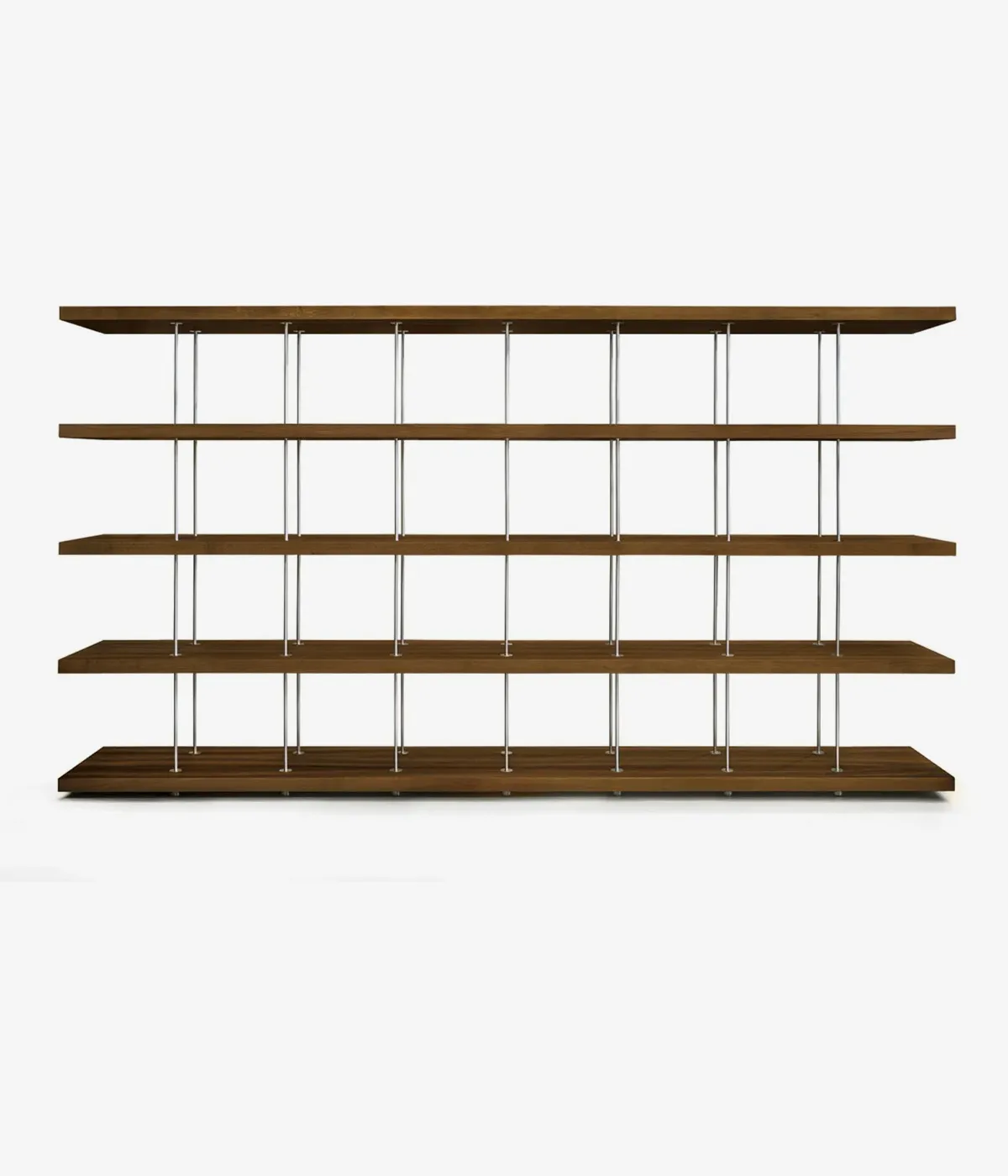
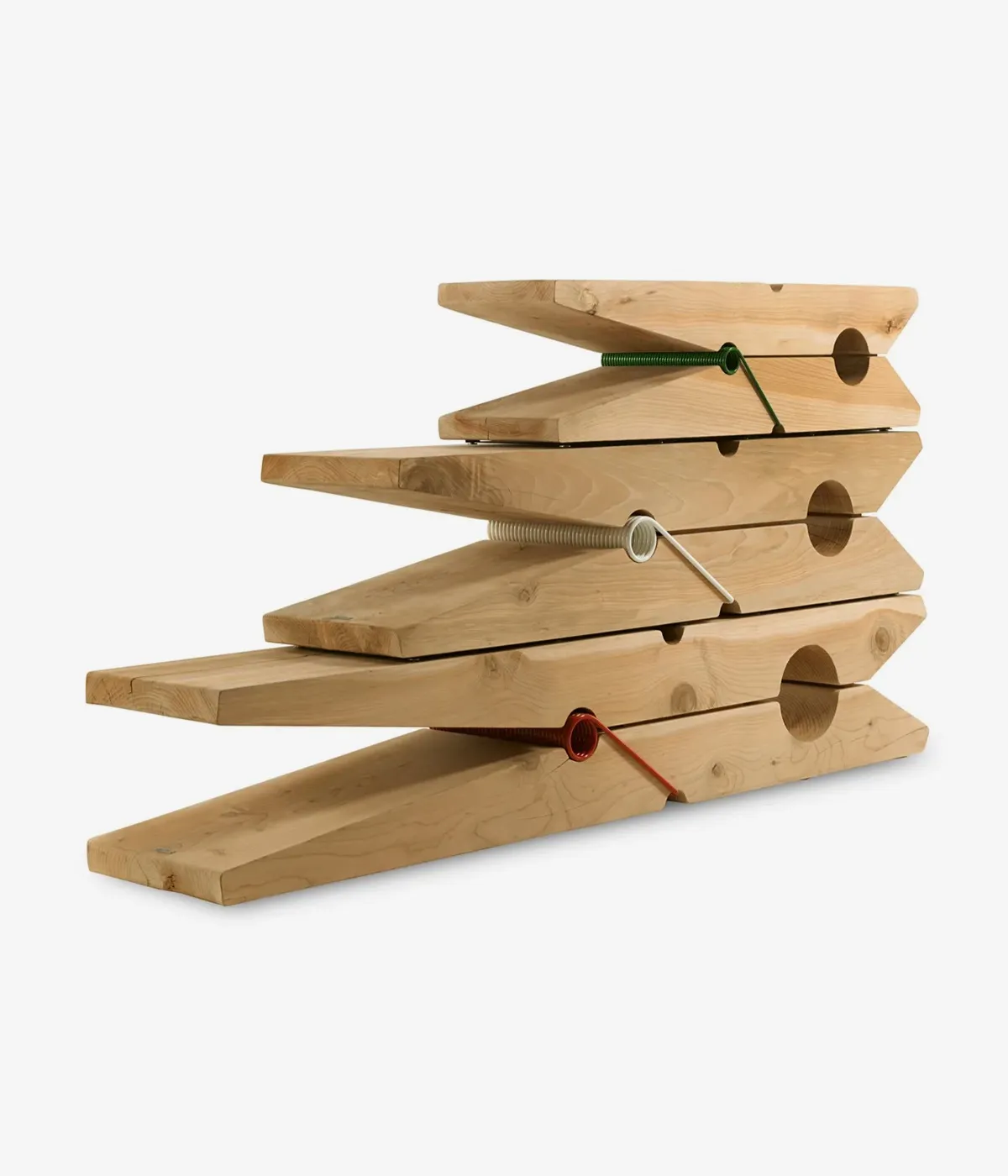
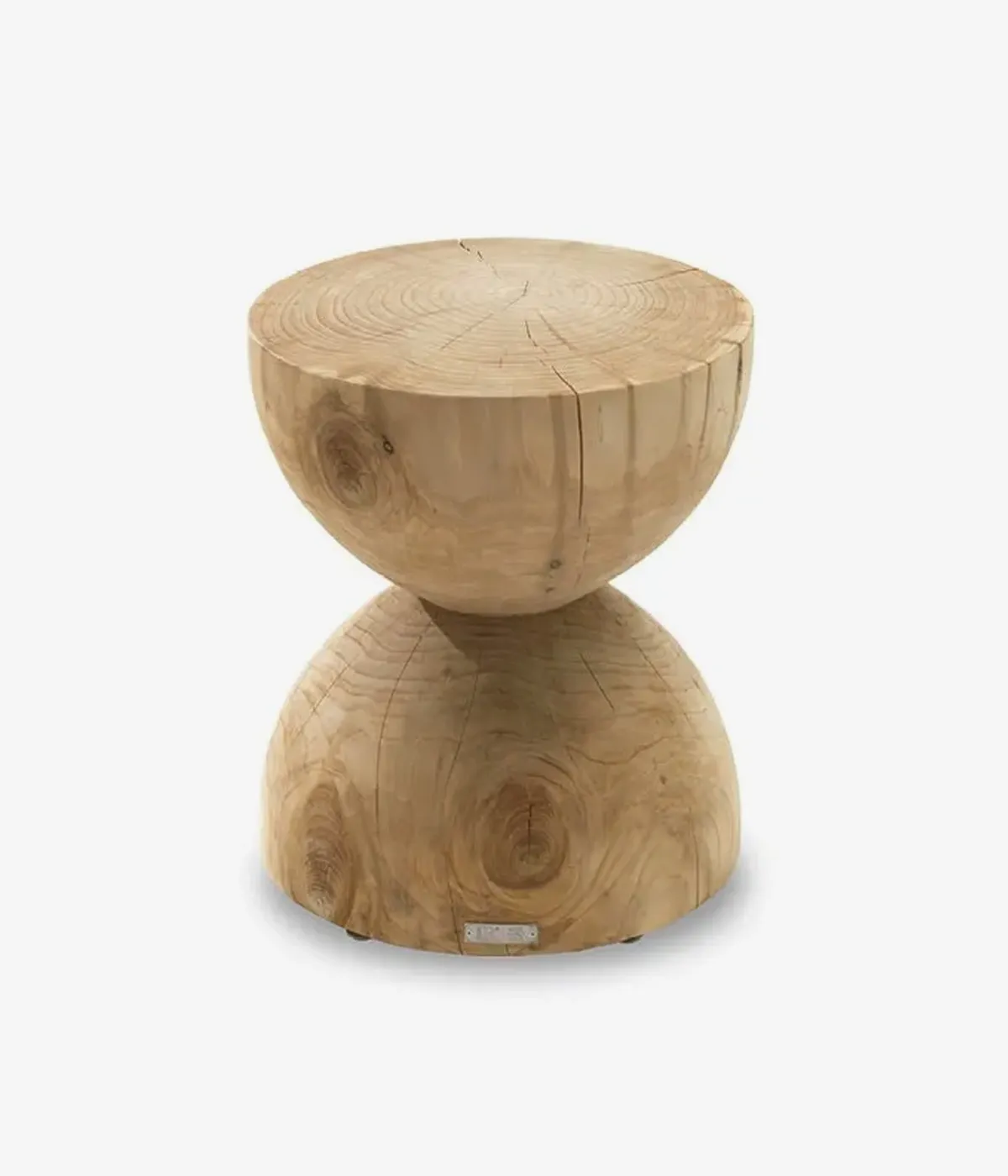
Riva1920 has long collaborated with internationally renowned architects and designers, including Renzo and Matteo Piano, Karim Rashid, Terry Dwan, Claudio Bellini, and Mario Botta. Alongside these established names, the brand also supports emerging talents capable of creating successful collections recognized by the market.
True interpreters of contemporary design, these designers act as philosophers of the project: they read the present and anticipate trends, transforming visions into iconic products and bestsellers. It is a shared creative journey in which functionality, technology, and raw materials merge into a distinctive balance.

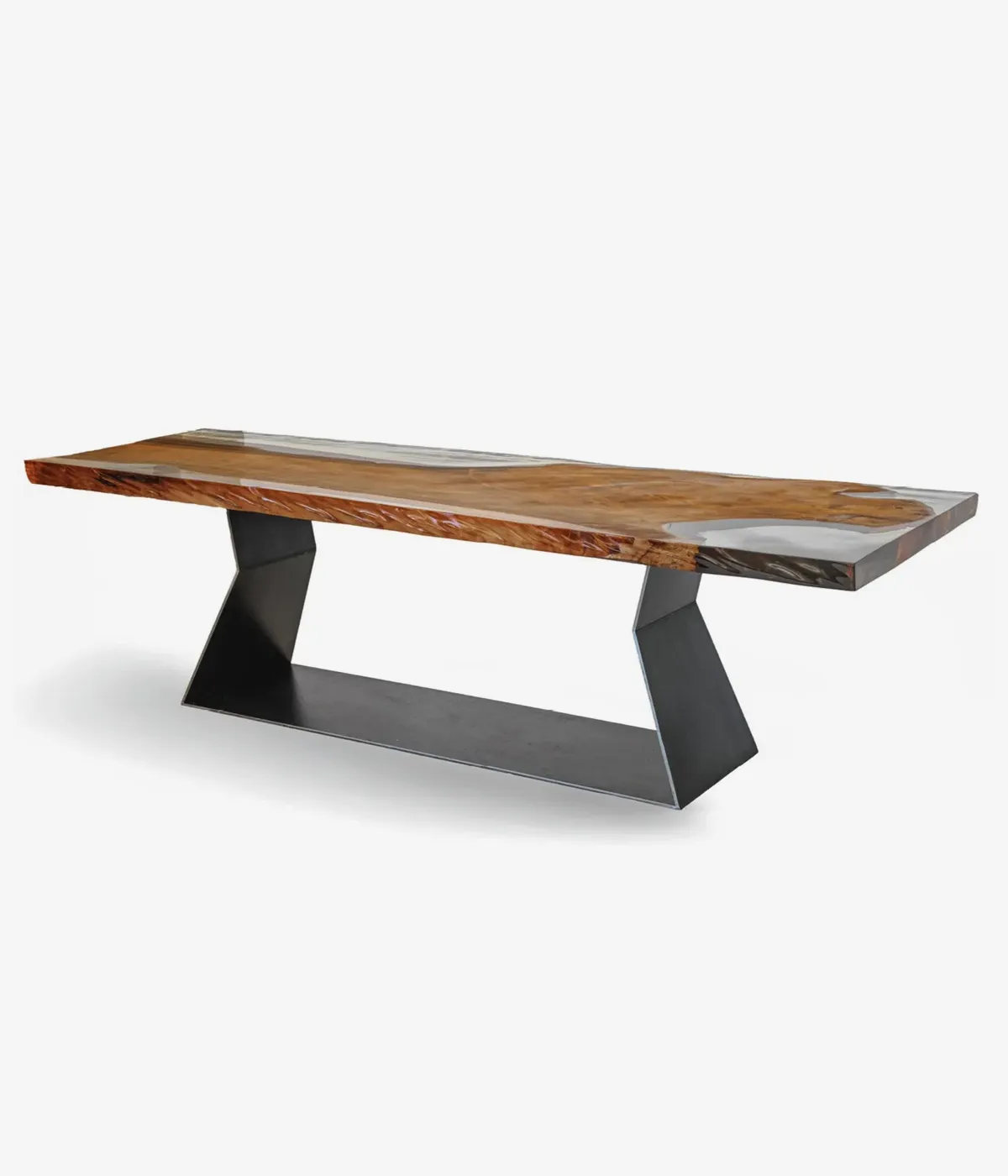
Riva1920 - Custom solutions for contract and hospitality
Riva1920 designs and manufactures bespoke furniture to meet the specific needs of private clients, architects, and interior designers. Custom design is one of the company’s key strengths: a tailored process that combines creativity, master craftsmanship, and meticulous attention to detail. Each project takes shape as exclusive Riva1920 furnishings, conceived to integrate seamlessly with the space, style, and identity of the setting, enhancing both the design and the quality of solid wood.


Kenshõ Boutique Hotel & Suites
Mykonos, Greece - 2016

Hermitage Mountain Residences
Principato di Andorra - 2022
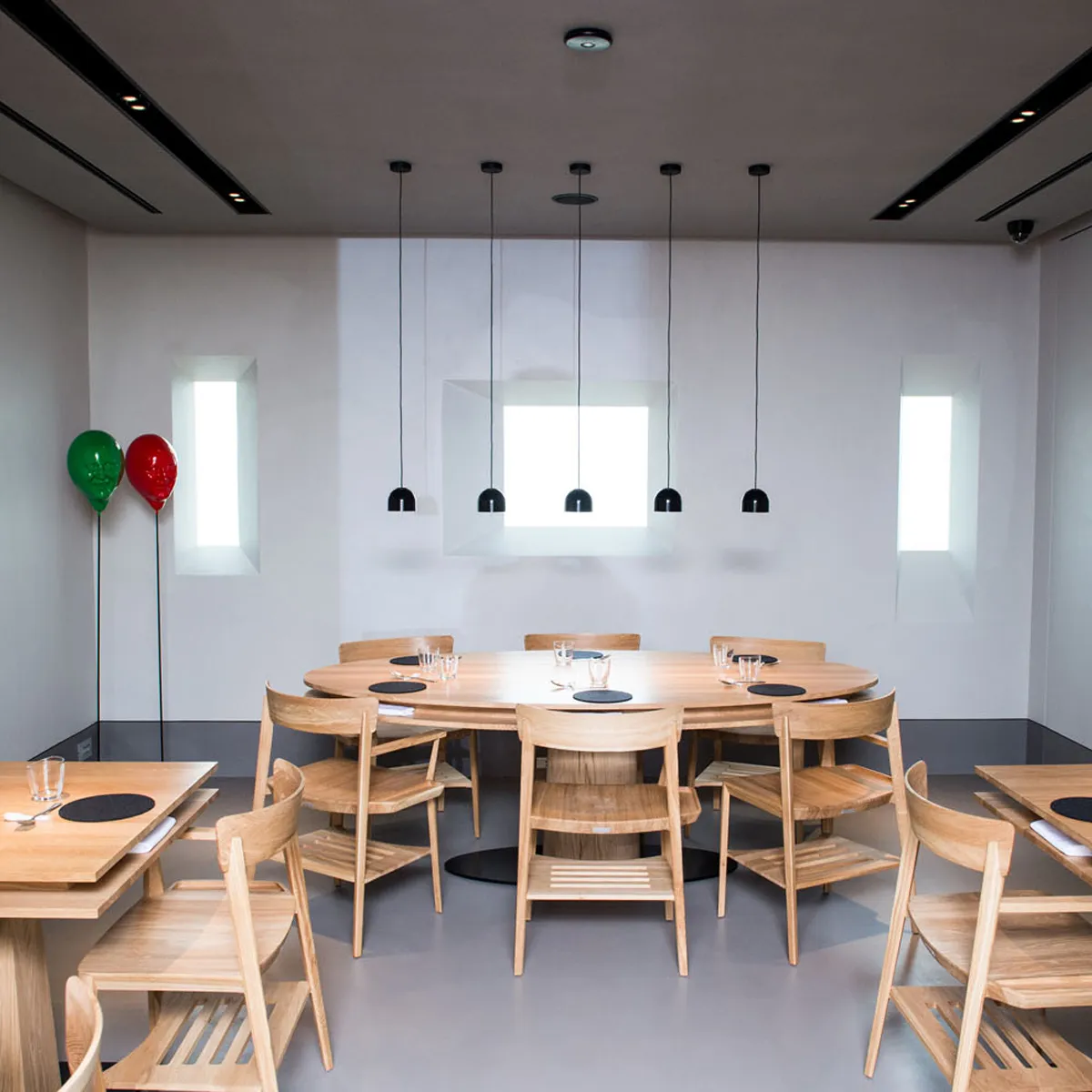
D'o Restaurant by Davide Oldani
Milan - 2016
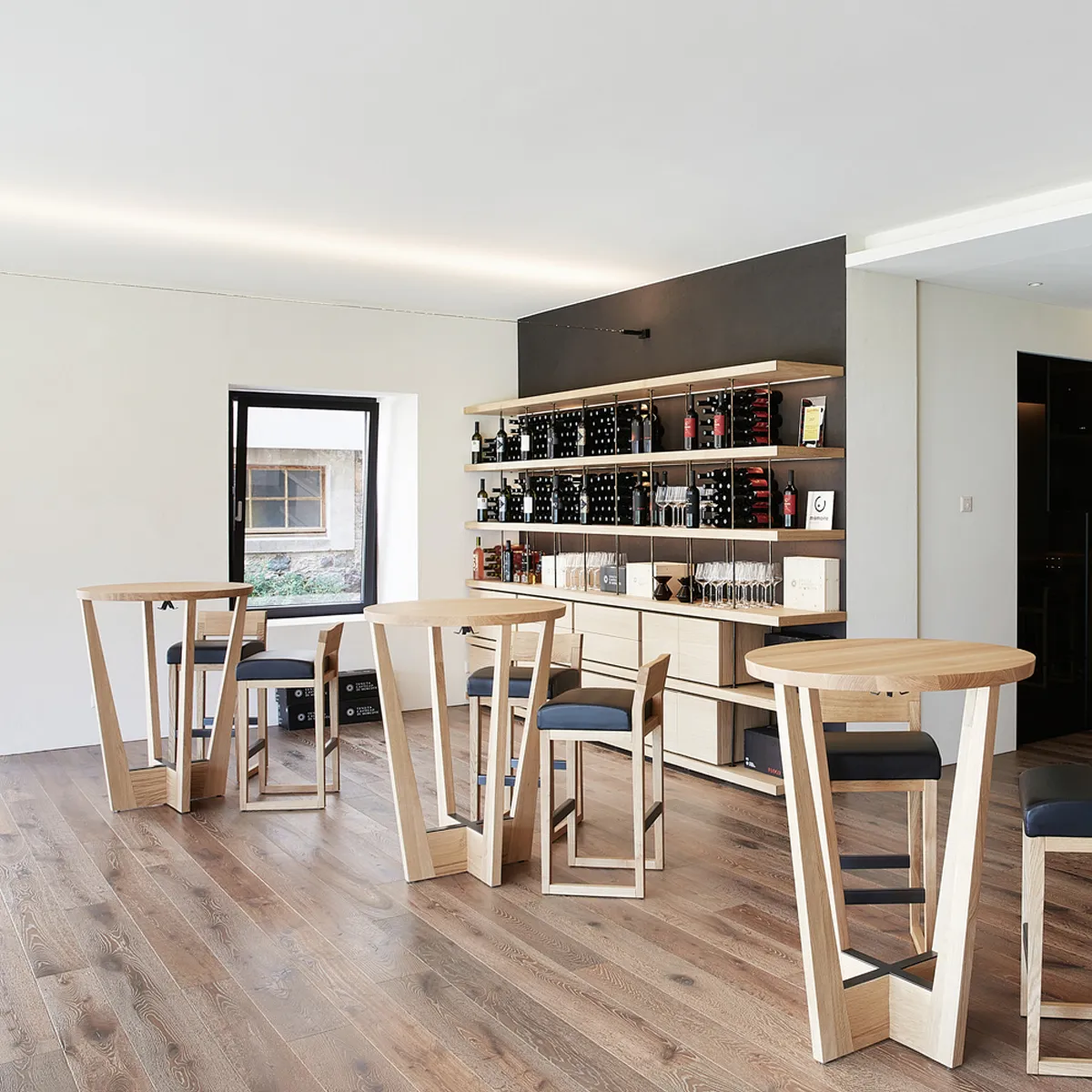
Castello di Morcote Estate
Vico Morcote, Switzerland - 2020
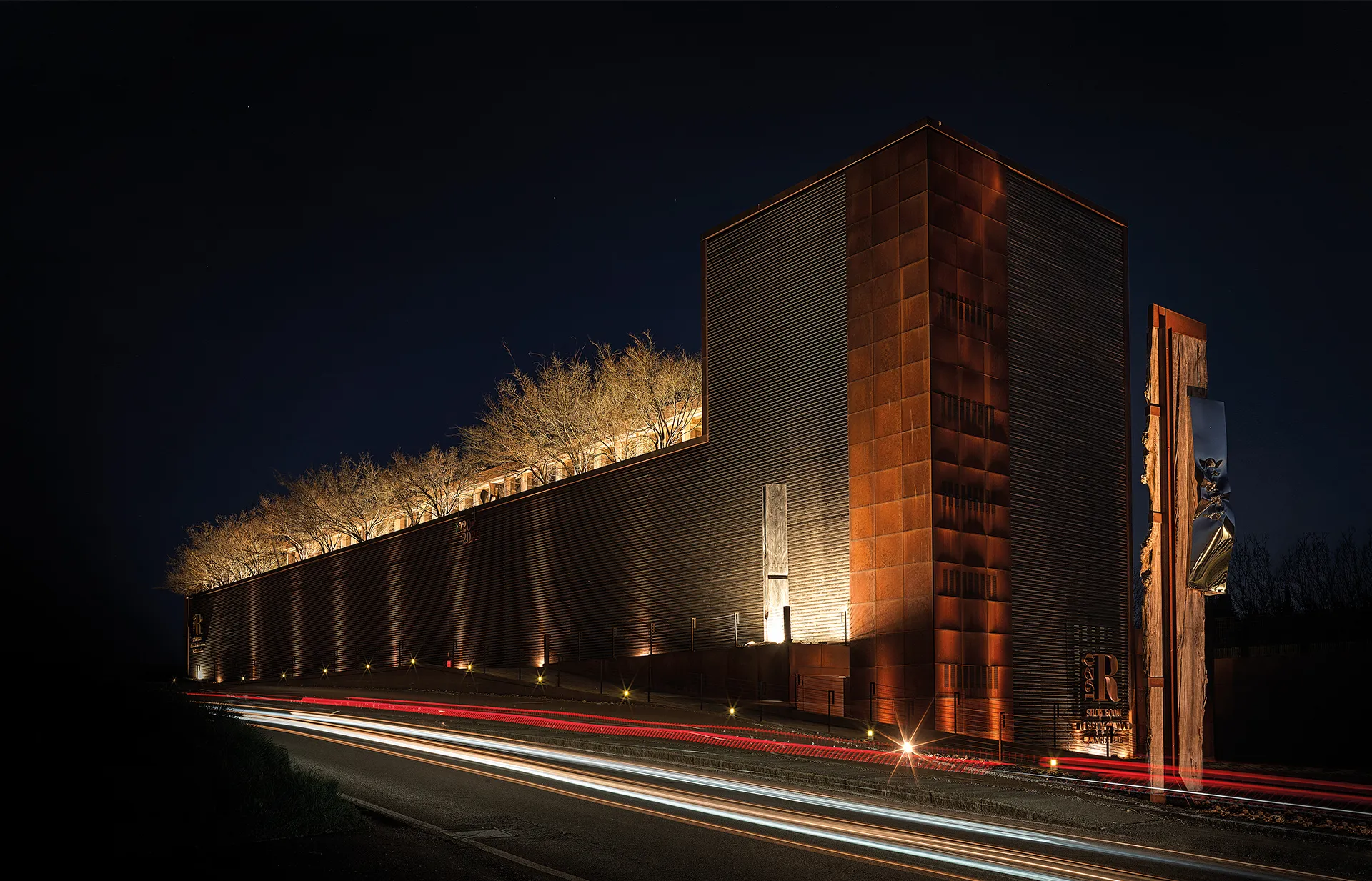
The Riva Center is the authentic expression of the Riva1920 philosophy: an iconic space where wood takes center stage, telling a story of over one hundred years of craftsmanship, innovation, and sustainability. Opened in 2010 and located in Cantù, the historic heart of furniture design, the Riva Center is a landmark building created to inspire. A multifunctional, contemporary space that blends tradition and modernity, welcoming visitors, professionals, and enthusiasts to explore the world of the Italian solid wood furniture brand.
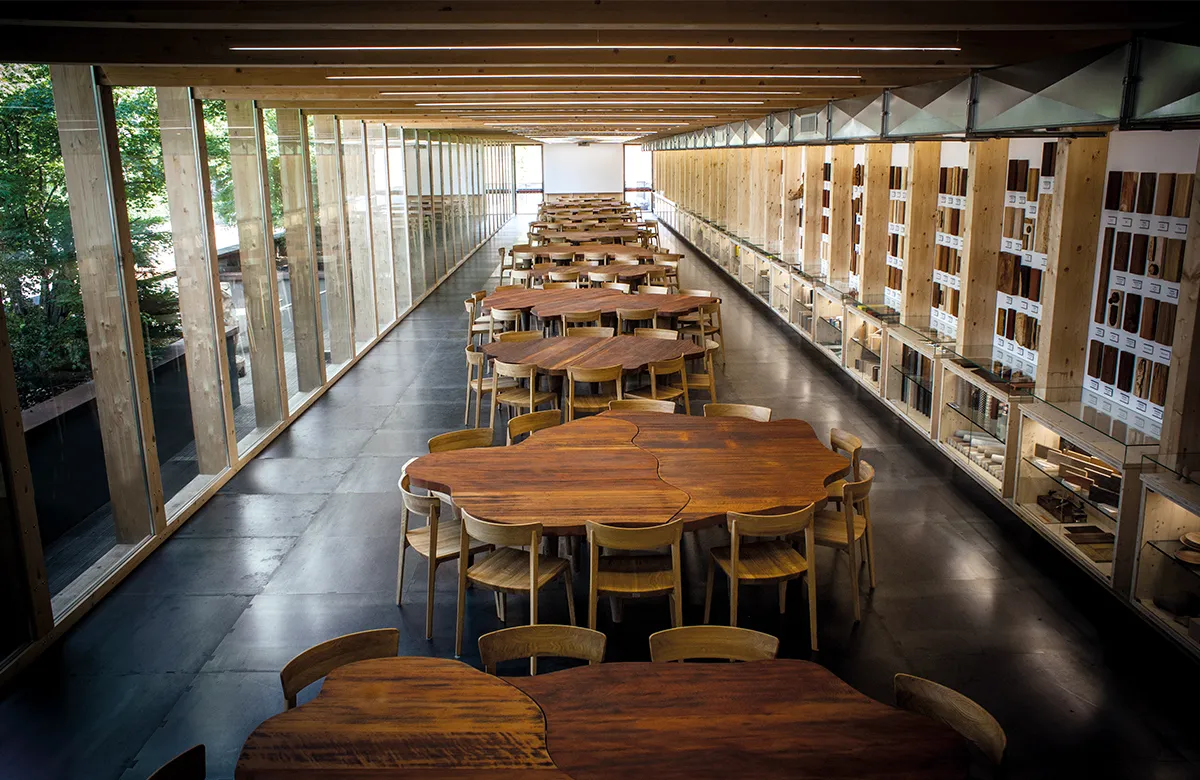
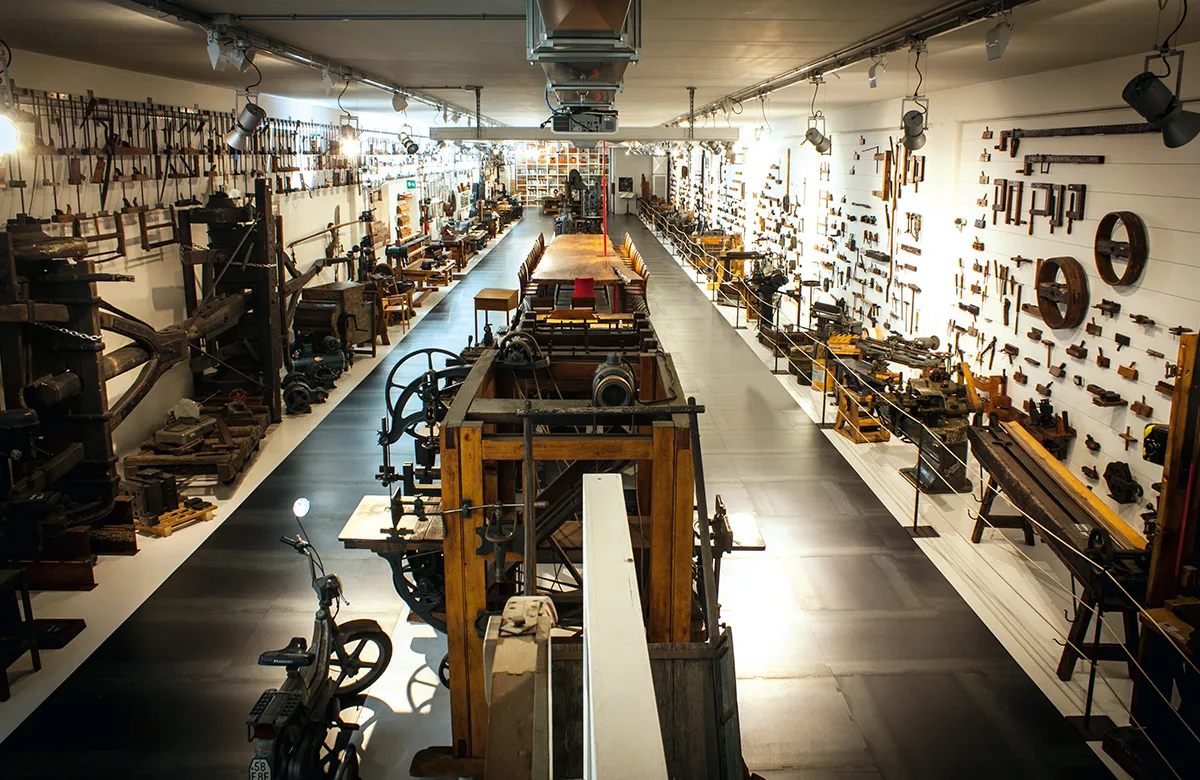
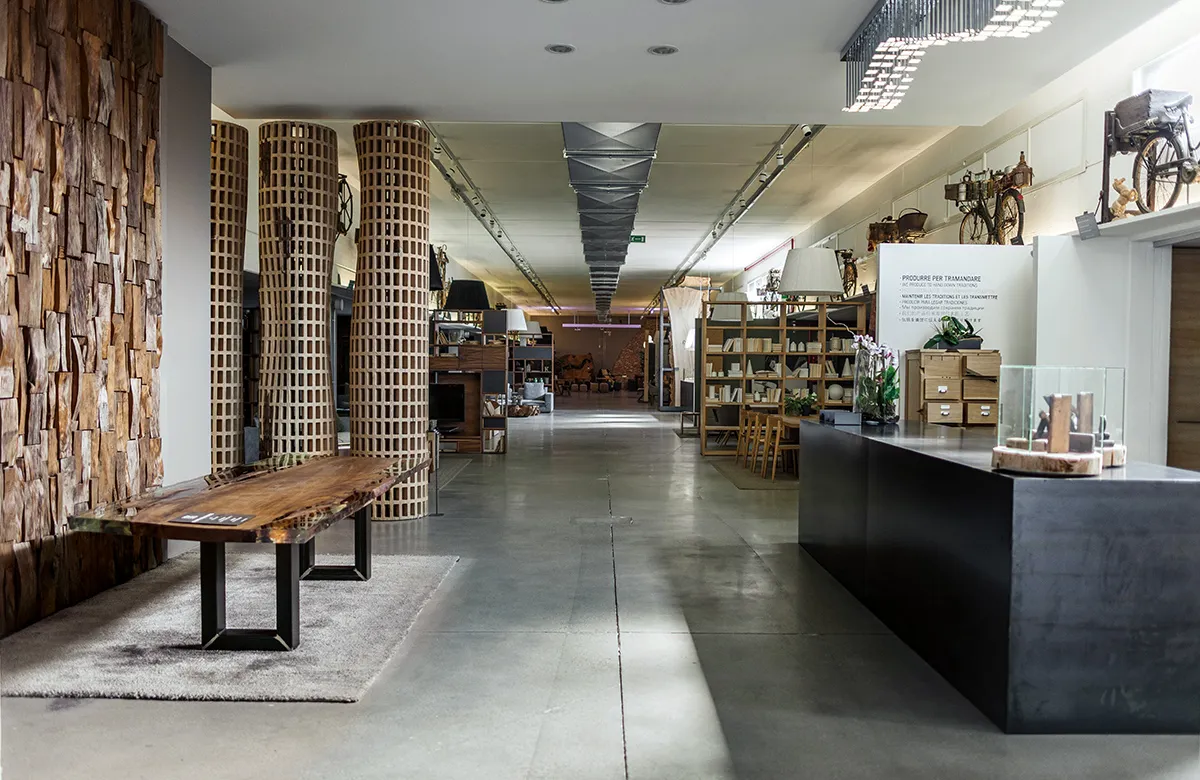
Developed over three levels: the ground floor houses the Riva1920 main showroom, an exhibition space dedicated to products and collections; the first floor features the evocative Wood Museum, an immersive journey through the history of this noble material; finally, the second floor hosts the Pangea Lab, an area devoted to creativity and experimentation.